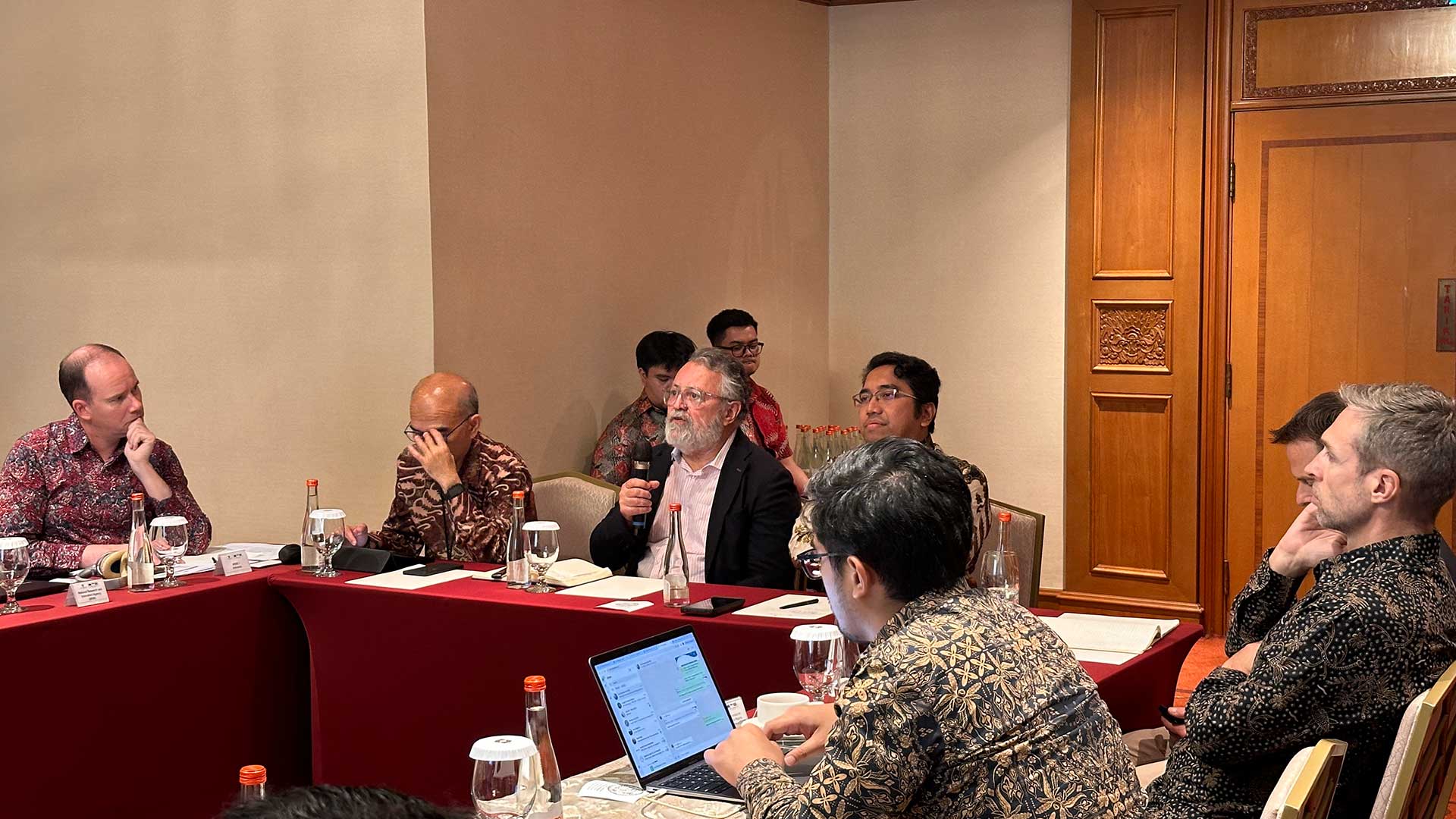
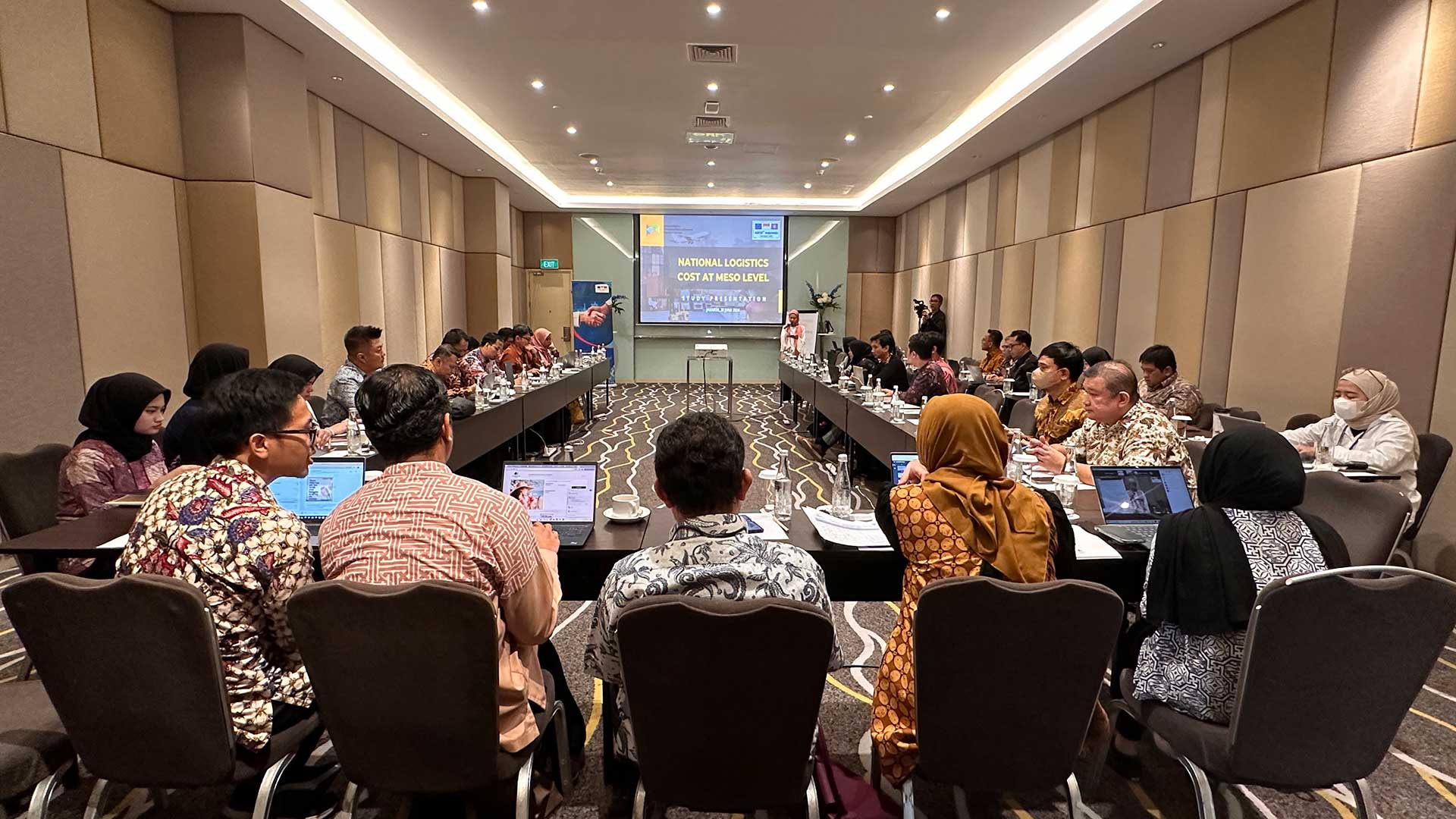
The National Standardization Agency (BSN) held two workshops on Good Standardisation Practice and Good Regulatory Practice, with assistance from ARISE+ Indonesia. As the national standardisation body, BSN plays a central role in making standards available to the business community and ensuring that all national standards are up-to-date and harmonised with international standards.
The Government is preparing the draft amendments to the Regulation of the Republic Indonesia (PP) No 34 of 2011 concerning Anti-Dumping, Countervailing and Safeguard Measures to strengthen the protection of domestic industries from unfair trade practices by partner countries. To inform the drafting process, ARISE+ Indonesia, under the aegis of the Directorate Trade Defense, the Ministry of Trade reviewed the trade remedy legislation.
In an effort to improve its trade and investment policy planning capacity, the Ministry of National Development Planning (Bappenas) put in place a training course on the Global Value Chains (GVCs) analysis with the support of ARISE+ Indonesia. Bappenas's economic analysts and planners took part in the first module training on 17-20 January 2021.
Approaching Indonesia's Chairmanship of ASEAN in the upcoming 2023, the Directorate of ASEAN Negotiation, DG International Trade Negotiations of the Ministry of Trade, with support from the ARISE+ Indonesia, initiated a study on Strengthening the Contribution of Micro, Small, and Medium-sized Enterprises (MSMEs) to ASEAN Economic Growth through Digital Transformation. The kick-off meeting took place on Monday (17/01) via a virtual meeting platform.
Who has not heard about Darjeeling Tea, Colombian Coffee, Argan Oil, Champagne, Scotch Whisky, Balsamico de Modena (Balsamic Vinegar), Feta (Greek cheese), Gouda Holland (cheese), or Parmigiano Reggiano (Parmesan cheese)? Most of us might have. We recognise those products for their worldwide popularity and reputation. Their renowned quality, unique characteristics, and authenticity are deeply tied to their geographic origins, defined as Geographical Indications (GIs).
Strengthening the Regional Value Chain RVC) and enhancing participation in the Global Value Chain (GVC) is an important strategic option for the Association of Southeast Asian Nations (ASEAN) as it moves towards achieving the ASEAN Economic Community (AEC) Blueprint 2025. AEC aims to achieve a single integrated market through regional economic integration to support more equitable, inclusive, resilient and sustainable high economic growth, even amid global economic shocks and volatilities.
The Ministry of National Development Planning (Bappenas) hosted the fourth ARISE+ Indonesia Project Steering Committee (PSC) meeting, held virtually on 17 December 2021. The Deputy Minister for Economic Affairs, Ms Amalia Adininggar Widyasanti and the Head of Cooperation of the European Union Delegation to Indonesia and Brunei Darussalam, Mr Thibaut Portevin co-chaired the meeting.
Unfair and distortive forms of international trade come in many forms and guises, including dumping, subsidisation, cartel agreements, price-fixing, the abuse of a dominant position on the market, and many more. These can contribute to many economic challenges but also raise important challenges, including employment, poverty and environmental concerns.
Indonesia’s diverse culture has given birth to a vast selection of agricultural products that can soar far and away to the many corners of the earth if marketed using the right strategy. The concept of Geographical Indication is a brilliant means to deliver Indonesia’s best products to the arms of happy customers around the world, especially to the welcoming European market.
The COVID-19 became an eye-opener to realise the importance of expanding investment in the pharmaceutical sector. Due to rising demands, the government has made the pharmaceutical sectors part of the development priority sectors. Although the pharmaceutical sector in Indonesia is lucrative, a transformation needs to happen to enhance the national pharmaceutical industry, which includes research and development to encourage the production of innovative products, especially vaccines.