Technical Assistance II
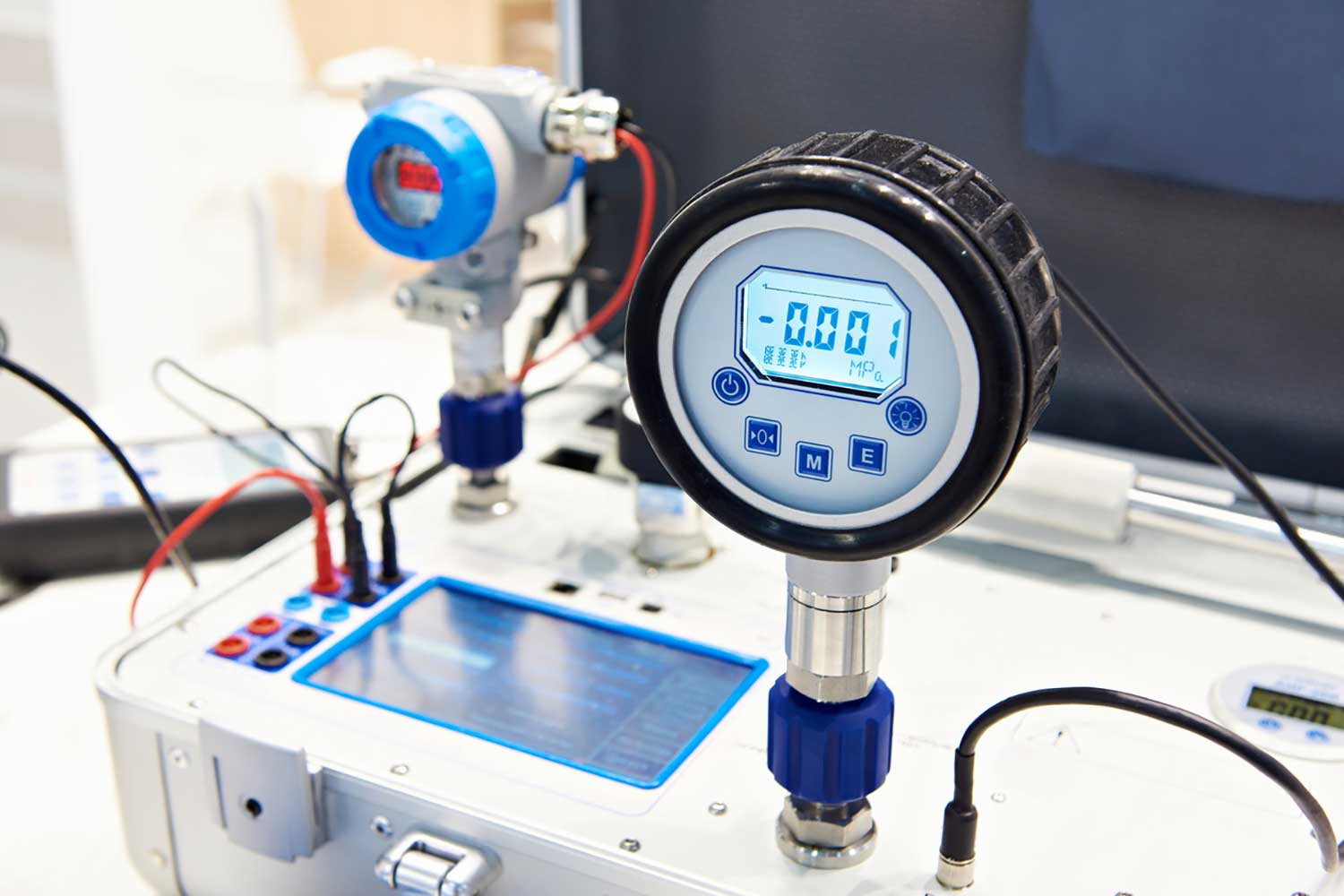
In the last ten years, the calibration service industry in Indonesia has witnessed notable growth and advancements. This development has been focused on broadening the calibration scopes, as well as enhancing the quality and reliability of calibration services, crucial for sectors like manufacturing, healthcare, and technology. A concerted effort has been made to improve metrological traceability, ensuring that calibration measurements align with international best practices. Indonesia's expansion in calibration services mirrors its rising industrial and technological stature, keeping pace with global metrology trends and underscoring its commitment to upgrading its quality infrastructure.
Indonesia currently has 317 calibration laboratories accredited by the National Accreditation Committee (KAN), encompassing 17 scopes. These scopes include mass, temperature and humidity, pressure, volume, time and frequency, analytical instruments, length, electricity, force, torque, flows and streams, hardness, photometry and radiometry, dimension, acoustics and vibration, density, and radiation. Among these, mass, temperature and humidity, and pressure calibrations are the most in-demand services, provided by 205, 204, and 184 laboratories, respectively.
The industrial sector, particularly manufacturing, stands as the primary clientele for calibration services, driven by the need for regular calibration of manufacturing equipment. Other significant sectors include food and beverage as well as pharmaceuticals. Looking ahead, Indonesian calibration labs are strategising expansion and diversification, emphasising areas like electrical calibration, medical device calibration in healthcare, and environmental measurement tools.
These valuable insights resulted from a survey of calibration institutions conducted by the National Standardization Unit (SNSU), National Standardization Agency (BSN), in collaboration with Mutuagung Lestari International, and supervised by ARISE+ Indonesia. This survey was designed to capture stakeholders' perspectives on national traceability, the utilisation of calibration services, and future expectations for these services.
The survey was utilised an online questionnaire, which was distributed to institutions involved in testing and calibration laboratory activities. Spanning two months, from August to October 2023, it successfully garnered responses from 100 participants, representing a sample from the 317 calibration laboratories in Indonesia. To guarantee a diverse range of perspectives, the respondents were thoughtfully selected from a mix of private and government institutions associated with calibration services nationwide. Responses were collected from various regions, including Sumatera, Jakarta, West Java, Central Java, East Java, Bali, Kalimantan, and Sulawesi, ensuring a comprehensive geographical representation in the feedback.
Deputy Chairman of SNSU BSN, Kristianto Widiwardono emphasised the survey's importance for preparing the future development program of SNSU BSN. The National Standardization Agency of Indonesia (SNSU-BSN), as the National Metrology Institute, maintains highly accurate national measurement standards, ensuring the measurement of their value is within acceptable limits, and thus maintaining comparability with the international measurement standards. SNSU-BSN also supports calibration laboratories in achieving and maintaining traceability of their measurements, ensuring an unbroken and documented traceability chain up to the International System of Units.
"The survey findings will become one of important inputs in establishing the program and policy for guiding the improvements in calibration services, contributing to the advancement of national traceability," Mr Kristianto remarked.
The survey identified several challenges, particularly the rapid advancement in technology and equipment, making it increasingly complex to ensure calibration accuracy. Resource limitations, including staffing, equipment, and budget, also pose significant hurdles, affecting the productivity and calibration capabilities of the laboratories. Currently, certain calibration requests, such as for Theodolite, ultrasound, anaesthesia, and X-ray equipment, are unmet due to these constraints.
The survey also highlighted the need for SNSU-BSN to acquire new tools and technologies to enhance and expand its services, thereby better supporting various industrial calibration needs.
###