Technical Assistance II
Non-Tariff Measures (NTMs) -policy requirements other than tariffs- can present substantial challenges for global trade despite efforts at the multilateral and bilateral levels to harmonise and reduce the burden of such NTMs. Therefore, reducing non-tariff barriers for trade in goods has become essential in any negotiation agenda.
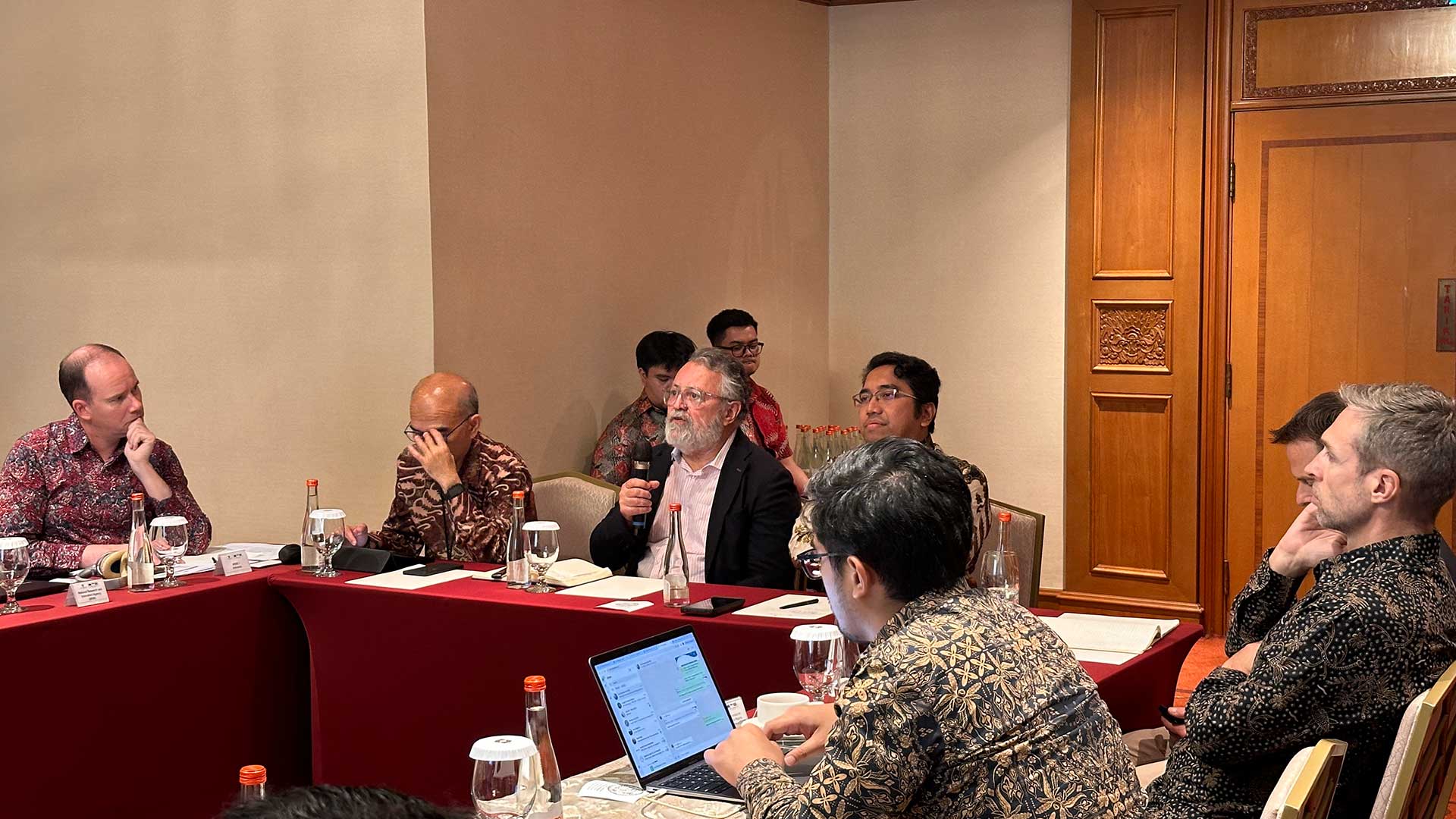
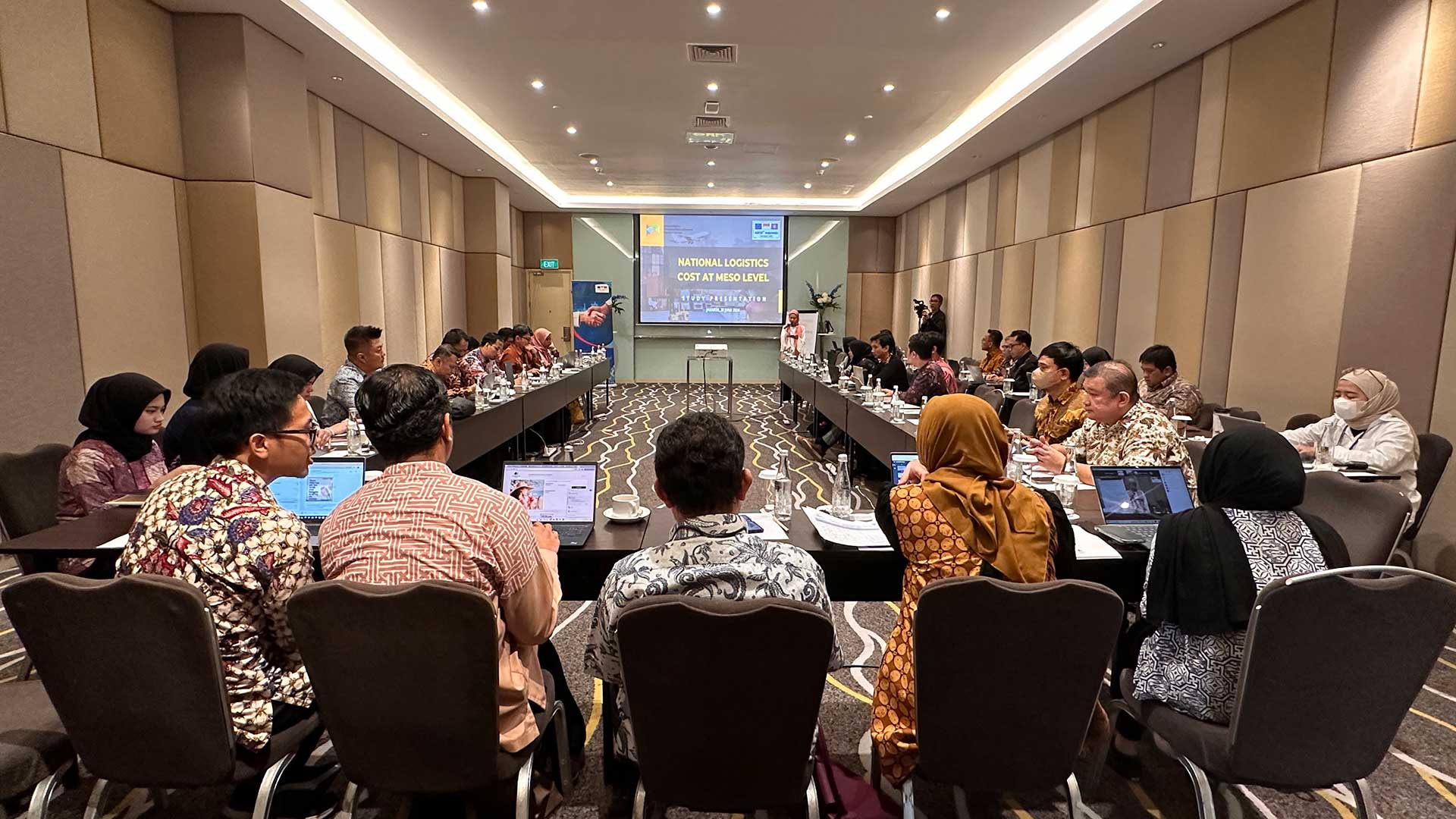
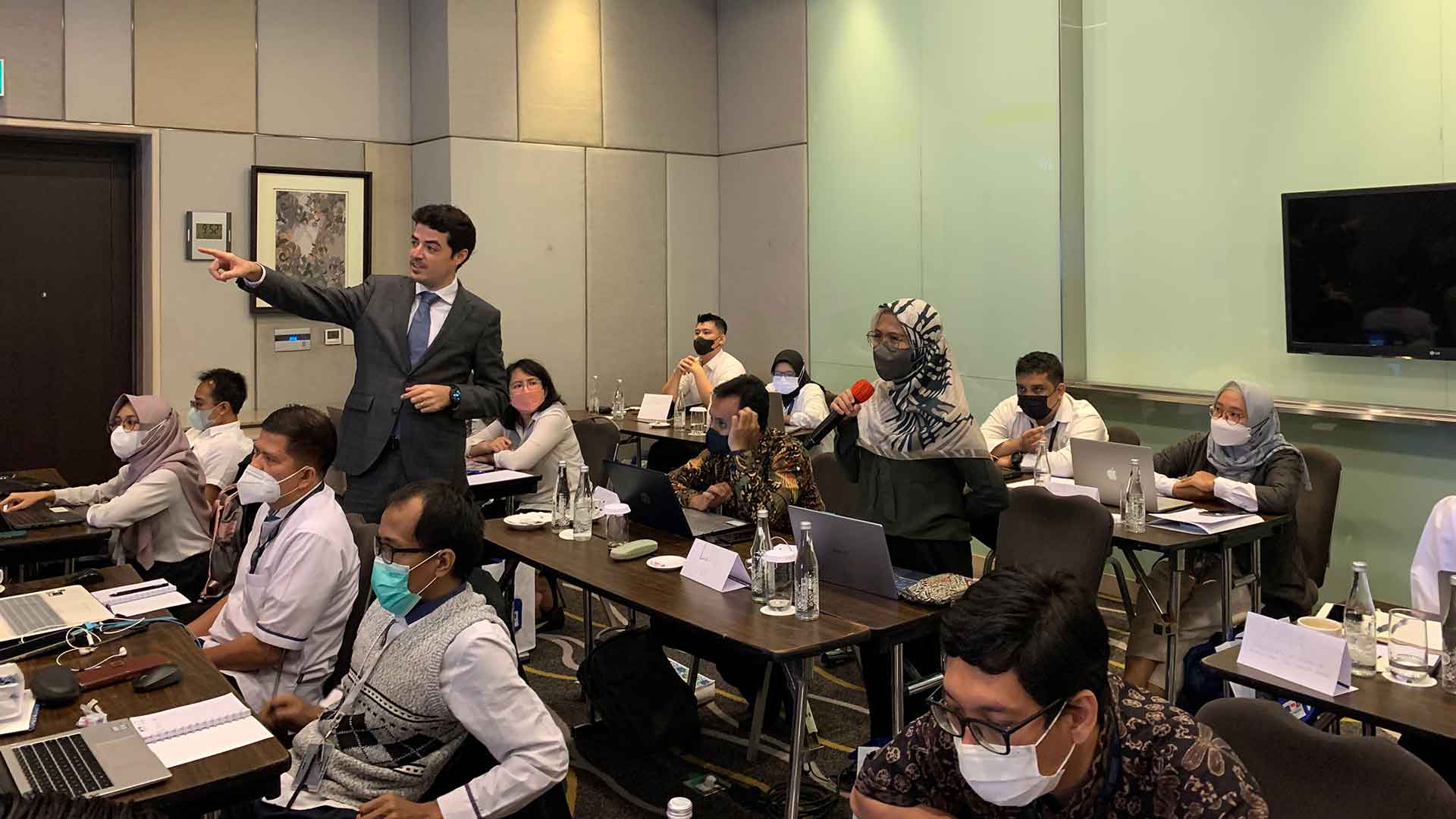
To help the Government devises better trade policies, the Directorate of Multilateral Negotiation, the Ministry of Trade, in collaboration with ARISE+ Indonesia, conducted a series of capacity-building workshops to train trade analysts, negotiators, and relevant officials for trade in goods in the Ministry of Trade and line ministries on Non-Tariff Measures. The capacity-building programme aimed to support national priorities that enhance Indonesia's capacity to negotiate the EU-Indonesia CEPA and strengthen its analytical capabilities to evaluate the impact of policy changes on Non-Tariff Measures.
The first training, which holistically covered the key measures that conform NTMs, particularly with regard to formal measures (i.e. TBT, SPS, TFA), took place from 4-8 July. The second training focusing on the economic impact analysis of NTMs was held on 25-28 July. The workshop introduced the categorisation and reporting of NTMs using a common international framework to provide a basis for the analysis and the different approaches to measure the economic effects of NTMs, as well as focus on good regulatory practices in formulating NTMs. The third training session will be conducted later this year in November to delve deeper into modelling approaches for ex-post and ex-ante assessments of the economic and trade impact of NTMs, to serve as input for the policy-making process.
Delivering the opening remarks, the Director of Multilateral Negotiation in the Ministry of Trade, Nur Rakhman Setyoko, highlighted the importance of streamlining, harmonising and creating fewer non-tariff barriers to accelerate growth, especially in efforts to bolster the post-pandemic economic recovery.
"We need to ensure that whatever policy we're building is supportive to trade and WTO consistent," Mr Nur said.
The ARISE+ Indonesia's International Trade Senior Advisors, Pablo Quiles, Paul Baker, Ferdi Ferdian (International Economics Consulting Ltd), Mohamad Dian Revindo (Senior Economist and Lecturer, Graduate Program at the University of Indonesia) led the delivery of the training. The workshop also featured eminent guest speakers joining remotely, namely Yann Duval (Chief of Trade Facilitation Unit, UNESCAP), Alexey Kravchenko (Senior Economist, UNESCAP), Loan Le (Managing Director, International Economics Consulting Vietnam), David Vanzetti (Senior Technical Advisor on Economic Modelling, International Economics Consulting and UNCTAD), Ria Roy (Economist, International Economics Consulting), Ralf Peters (Chief, Trade Information Section of the Trade Analysis Branch of UNCTAD), and Christina Ruth Elisabeth (Lecturer, Graduate Program at the University of Indonesia).
Evan Buwana, an Officer at the Directorate of Standard Application and Conformity System in the National Standardization Agency (BSN), took part in the training. BSN is a focal point for Technical Barriers to Trade (TBT) - WTO.
"I feel this course enriches my knowledge and insights on NTMs," Evan said.
In a similar tone, Adela Sitohang, the Trade Analyst at the Directorate of Agriculture and Forestry Products Export, the Ministry of Trade, said that the training delivery was interesting and interactive. She also found the topics discussed during the training are beneficial to support her work, especially approaching the enforcement of the European Union Deforestation Regulation, which will become NTMs for wood, cocoa, coffee, and palm oil.
"I learned a lot about things that can hinder export growth and how to find solutions in dealing with NTMs," Adela said.