Technical Assistance I
Deforestation has become a major global concern in recent years due to its profound and devastating impacts on the environment, wildlife, and communities. When forests are destroyed, they release large amounts of carbon into the atmosphere, contributing significantly to climate change. Additionally, forest degradation can lead to soil erosion, loss of biodiversity, and changes in local weather patterns.
The primary cause of global deforestation is the conversion of forests into pastures, crops, and plantations. A significant portion of this destruction is linked to seven key commodities: cattle, soy, palm oil, wood fibre, cocoa, coffee, and rubber. According to a 2021 WWF report, the first three alone are responsible for 53% of recent agriculture-driven deforestation (cattle at 37%, palm oil at 9%, and soy at 7%).
Consequently, there has been an increasing demand for sustainable and responsible practices in the production of goods and services, which resulted in the European Union introducing the deforestation-free supply chain regulation. The regulation seeks to eradicate deforestation and forest degradation from global supply chains.
As consumer awareness and demand for ethical and sustainable products continue to grow, businesses, including those producing Geographical Indication products, have a responsibility to minimise their environmental impact and adapt to sustainable practices. The implementation of a deforestation-free supply chain not only preserves fragile ecosystems and biodiversity but also contributes to mitigating climate change by reducing greenhouse gas emissions resulting from deforestation and forest degradation.
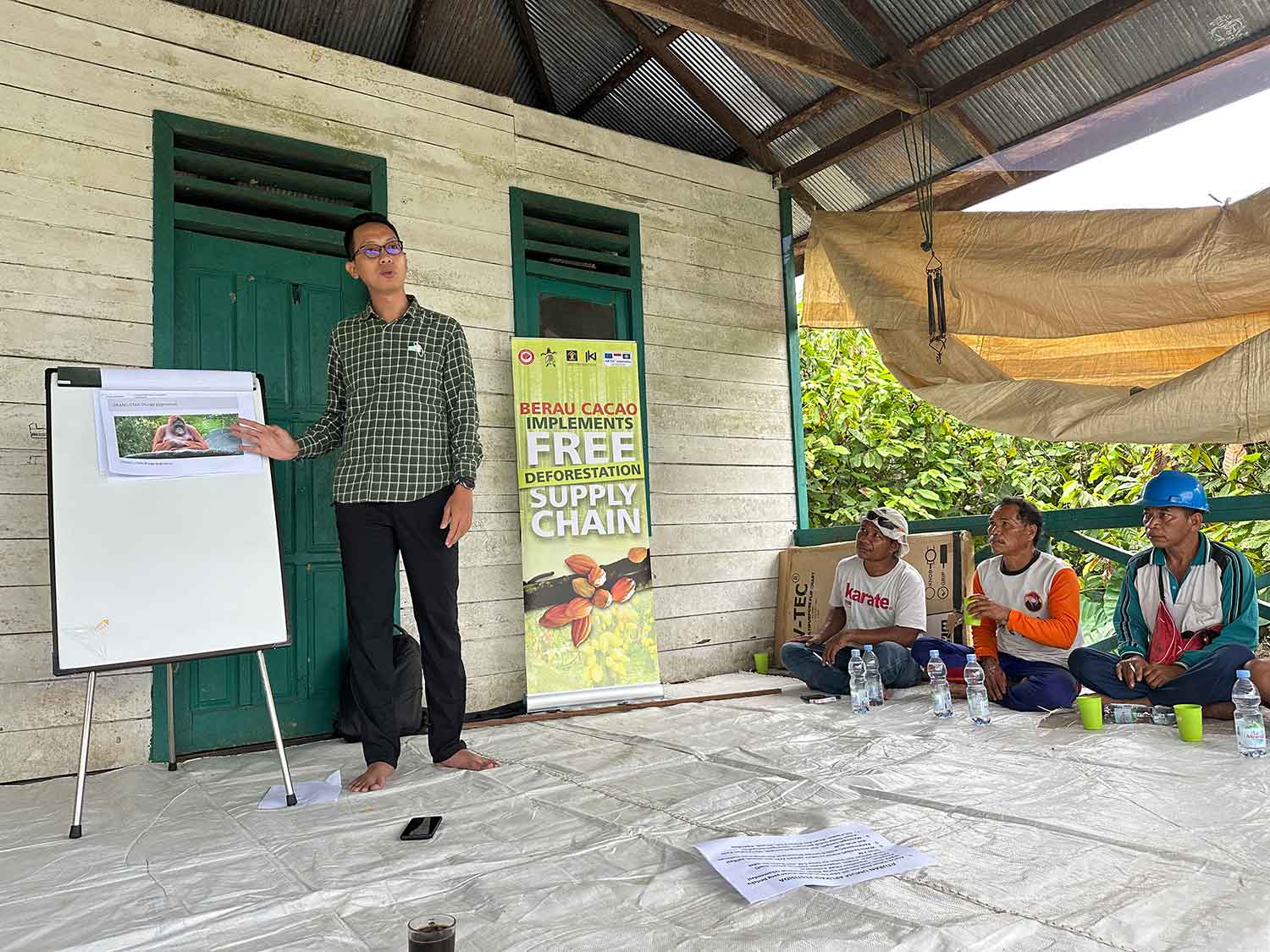
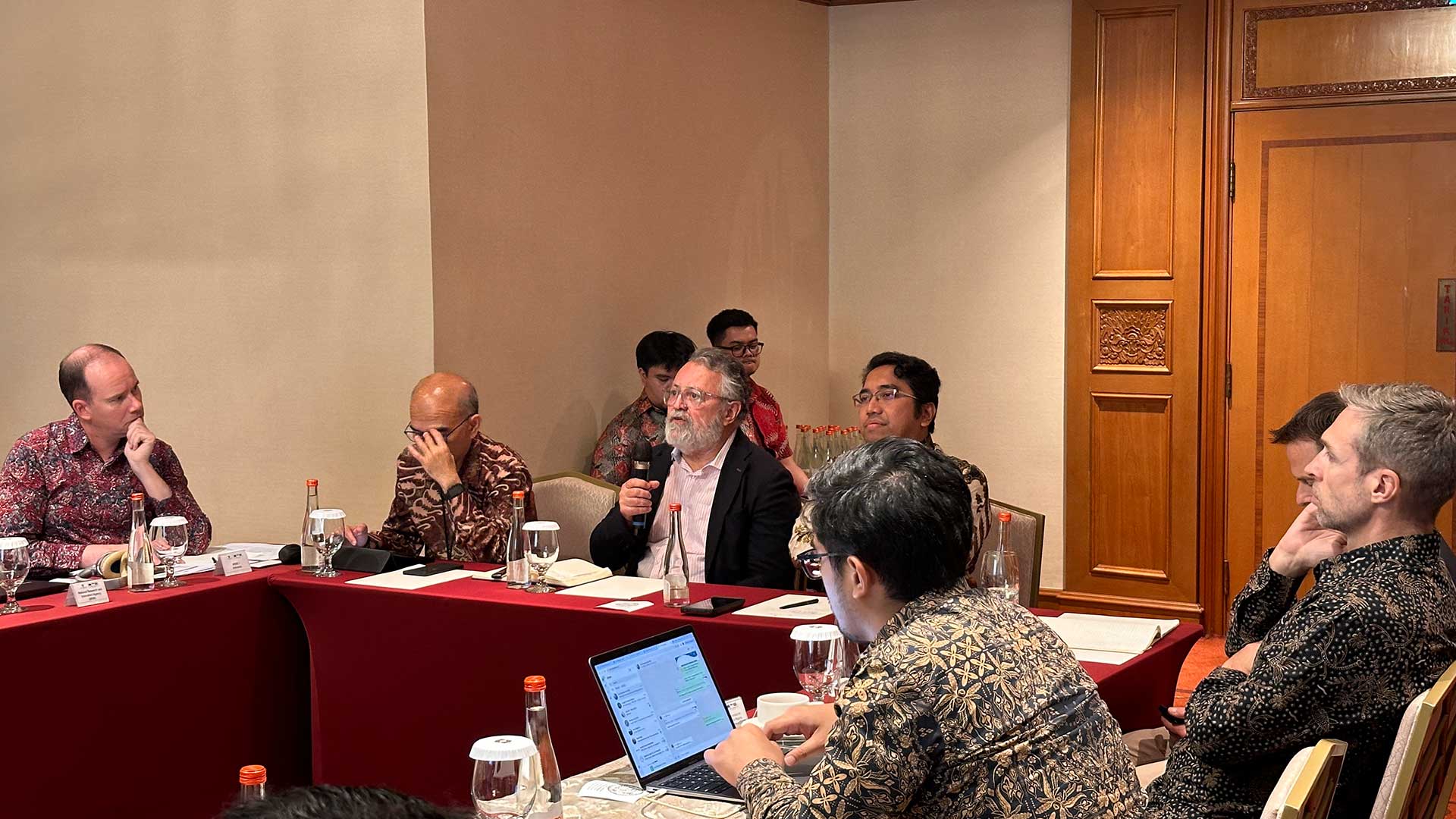
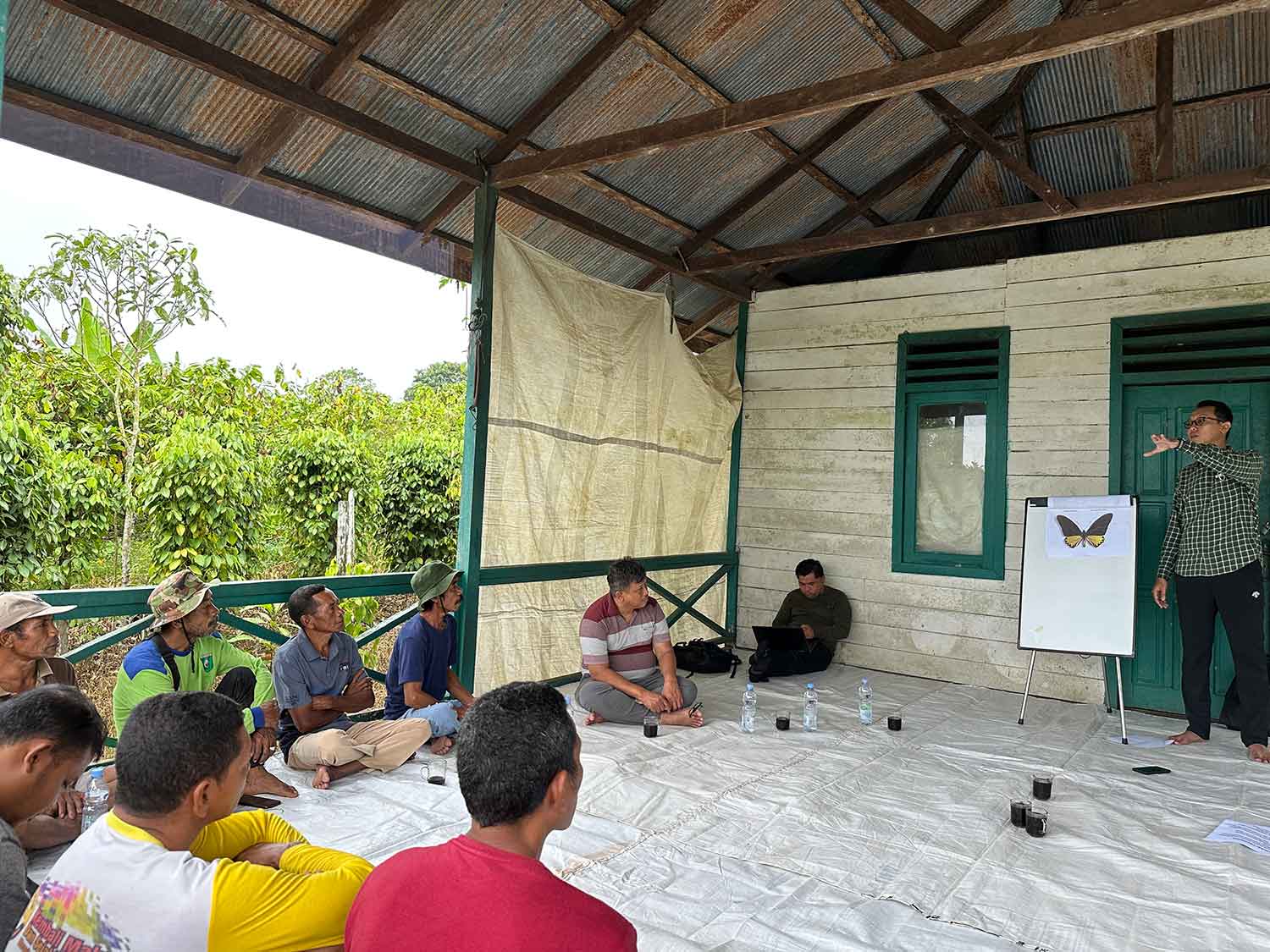
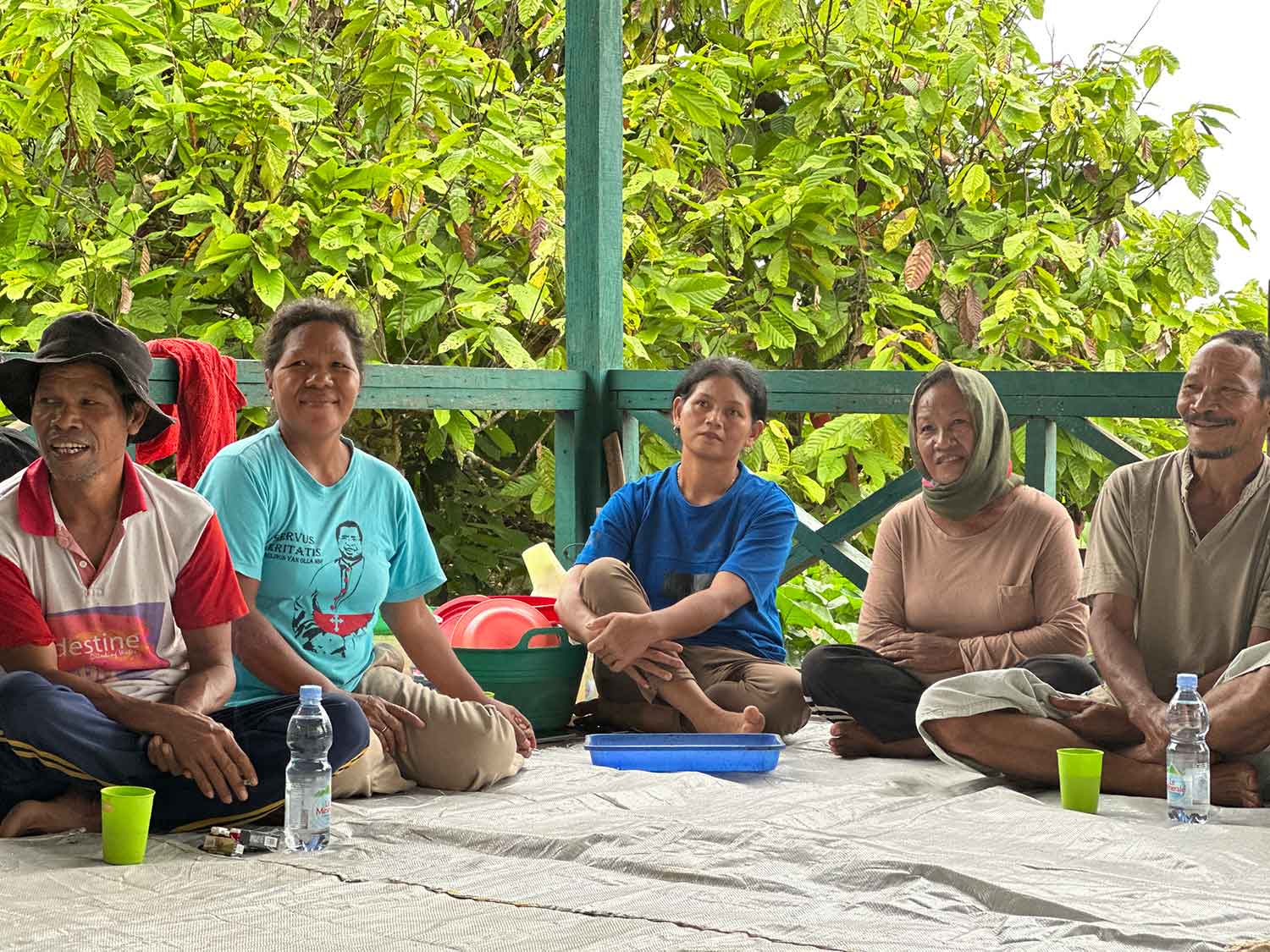
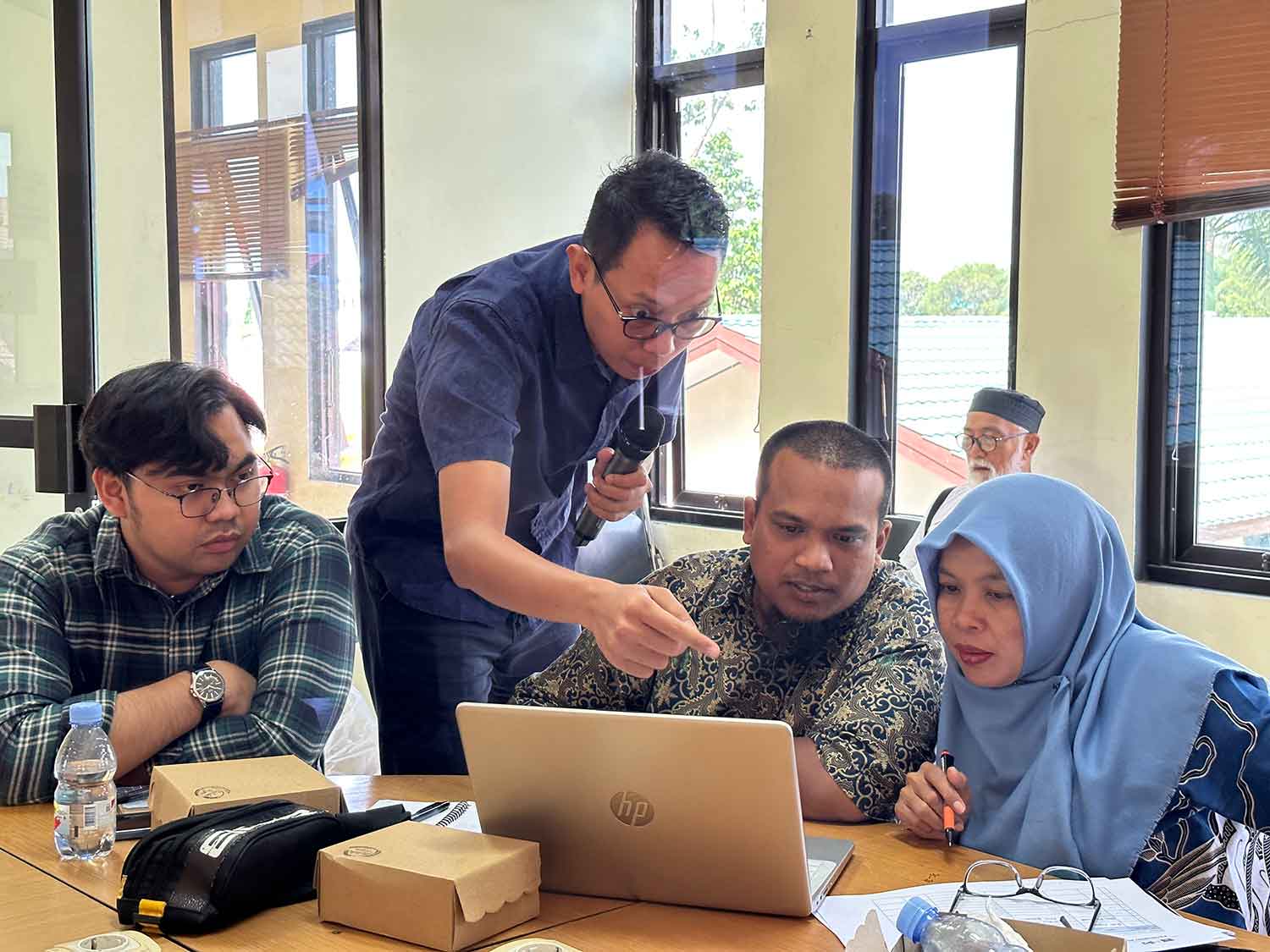
For those reasons, under the auspices of the Directorate General of Intellectual Property, Ministry of Law and Human Rights, ARISE+ Indonesia organised a dissemination workshop on February 22-23, 2023, in Berau District, East Kalimantan. The workshop aimed to raise awareness among members of the Cacao Berau Geographical Indication association (MPIG Kakao Berau) and local government officials about the importance of a deforestation-free supply chain.
M. Rifan, ARISE+ Indonesia's Geographical Indication Internal Control Expert, highlighted that in a world grappling with environmental challenges, transitioning to deforestation-free supply chains is not only a moral choice but also a strategic and economically viable decision for long-term growth and success.
"By embracing transparency and accountability, businesses can foster consumer trust and loyalty and broaden the market while playing a crucial role in safeguarding our planet's future," Rifan said.
According to the interactive map managed by the Ministry of Environment and Forestry, the cacao plantations in Berau District are located outside the protected forest area. This means that cocoa plantations in Berau are not contributing to deforestation in the district, providing a significant advantage to the region's farmers who want to produce high-quality cacao without harming the environment.
The Chairman of MPIG Kakao Berau, Maryono, was relieved that their cocoa plantations comply with the regulations. "With support from ARISE+ Indonesia, we established a traceability system for our products that provides quality assurance and guarantees our products are deforestation-free," Maryono said.
Rifan pointed out that the cocoa plants can help protect forests since they grow better when planted in agroforestry systems that combine trees and crops instead of monoculture. This agroforestry system offers multiple benefits, including strengthening the resilience of cocoa production areas and restoring degraded land. Some other benefits include increasing yields of staple food crops, thereby increasing farmers' incomes, increasing biodiversity, improving soil structure and health, reducing erosion, and increasing carbon sequestration.
"Geographical Indication (GI) products hold immense potential for safeguarding our forests by fostering deforestation-free supply chains through rigorous internal control and traceability measures," Rifan added.
In addition, the workshop focused on discussing the recommendations and findings of the external audit, which included improving organic methods and better pesticide use on cocoa plantations in Berau. The external audit was conducted by CSQA, an international certification and inspection agency from Italy.
Nicolaus Jumin, the Head of the Farmer Group from Suaran Village and a member of MPIG Kakao Berau, praised ARISE+ Indonesia's support in providing information and knowledge on sustainable practices. Jumin said, "This support will enable us to prepare our cocoa to meet the European Union's export market requirements, ensuring our product is competitive while meeting ethical and environmental standards."
Lita Handini, the Head of the Berau Regency Plantation Office, expressed her appreciation and gratitude to ARISE+ Indonesia for its valuable support in helping farmers maintaining the quality of cocoa in Berau.
"ARISE+ Indonesia's support is very beneficial for our community. By showing the economic and environmental benefits of the enhanced Berau Cacao GI, I am optimistic that we can revive cocoa production in the Berau district to prevent deforestation and restore the fertility of degraded forests," Lita concluded.