Technical Assistance I

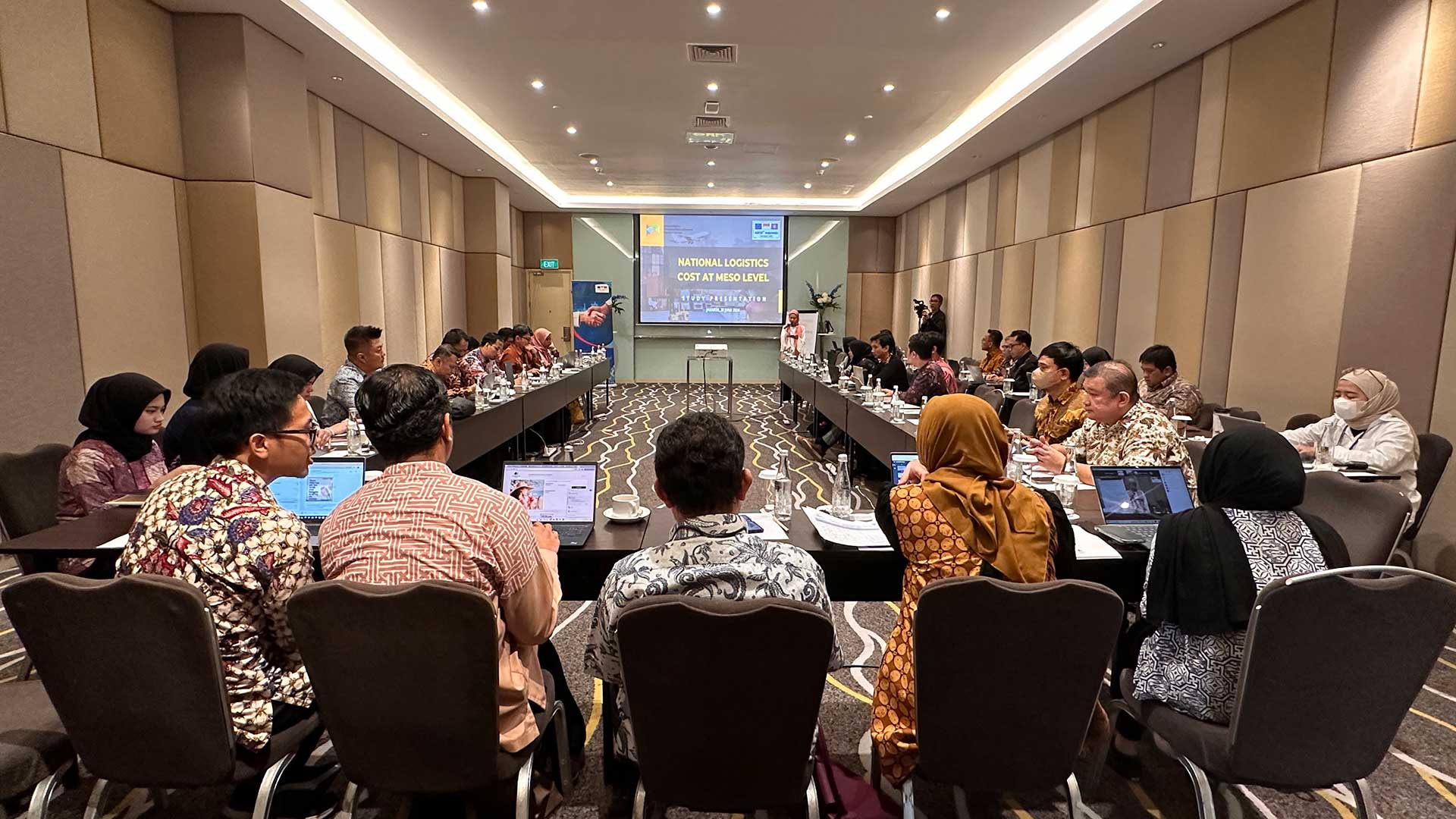
Fifteen trainer candidates from the Directorate of Trade Defence (DPP in Indonesian acronyms), Indonesian Anti-Dumping Committee (KADI), and the Indonesian Trade Safeguards Committee (KPPI) in the Ministry of Trade (MoT), and five academics from the Faculty of Law of the Padjadjaran University participated in the Training of Trainers (ToT) programme for Trade Remedies, on 3-5 August 2022.
The training held in Bandung was organised by the DPP, with support from ARISE+ Indonesia under the Priority Area 2 Trade Facilitation coordinated by ARISE+ Indonesia Key Expert James Lenaghan. The training aimed to enhance the capacity of officials from the MoT and academics on technical and non-technical skills to deliver training on trade remedy issues to various relevant parties, including government officials and scholars.
The Director of Trade Defence, Mr Natan Kambuno, who delivered the opening remarks and officially opened the training, said that Indonesia needs more prominent experts, lawyers, and academics in trade remedies. He remarked that trade remedies had been effective instruments that WTO Members, including Indonesia, used to protect their domestic market and industry. However, the application of trade remedies inconsistent with the rules of the World Trade Organization has become a significant trade barrier faced by our exporters.
"For that reason, we are conducting this Training of Trainer programme to equip us with better in-house lawyers, academics, and experts in International Trade Law, particularly in the field of Trade Remedies," Mr Natan said.
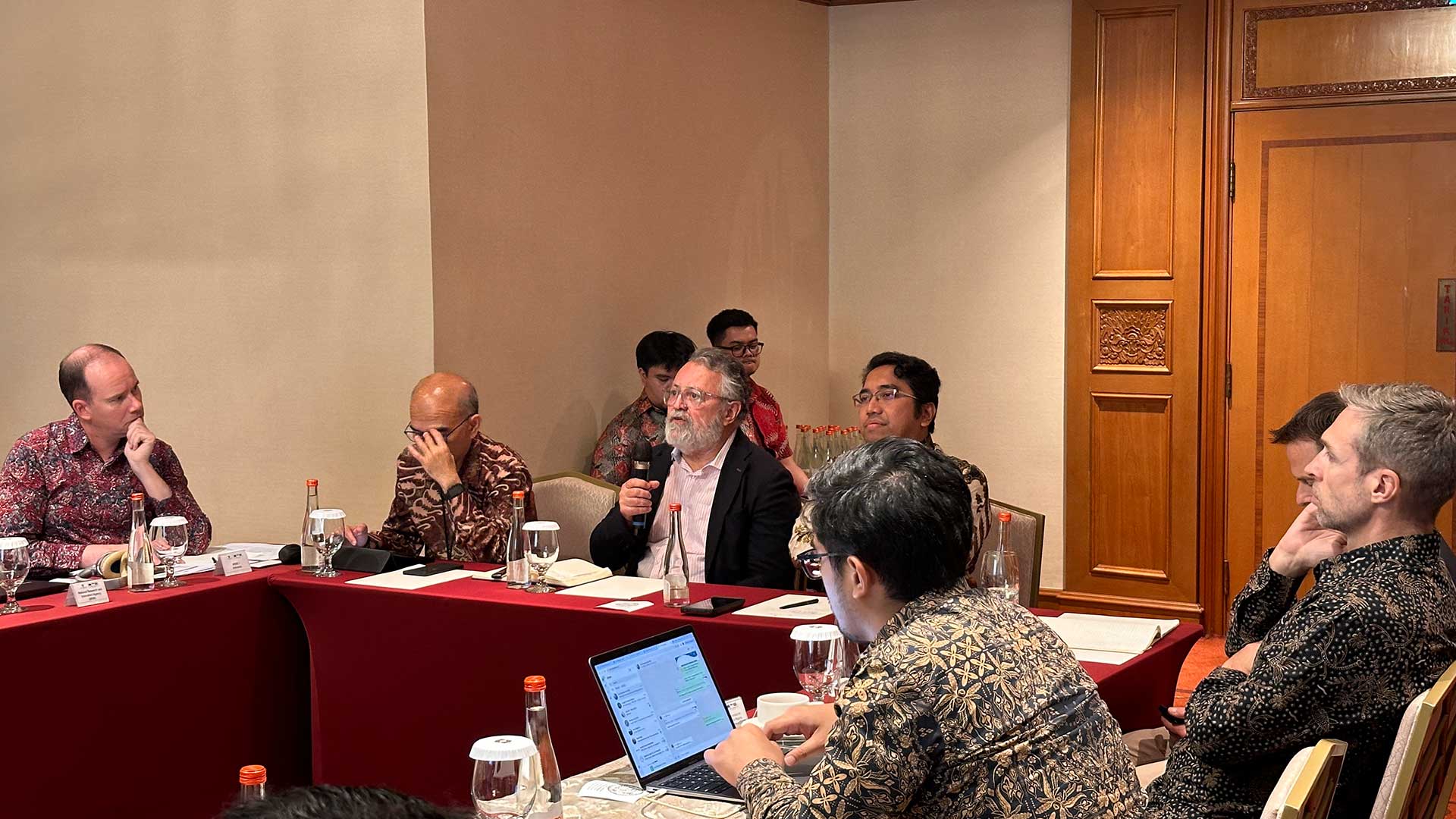
During the three-day training, ARISE+ Indonesia International Trade Law Expert Dr Gustav Brink trained the participants to master their skills in delivering the engaging capacity-building session. The trainees learned to address the six performance gaps: knowledge, skills, mindset, motivation, communication and environment, and took a turn to practice in front of the class.
According to Dr Brink, the key to delivering successful training is learning about the audience to engage their attention and convey the training materials according to audience characteristics. Dr Brink also reminded the trainer candidates to always pay attention to details and preparation and to keep practising.
"Good preparation and a full library of experiences and updated information will enable the trainer to respond to questions with an interesting illustration that will easily stick in the audience's mind," Dr Brink said.
One of the participants from DPP, Christianto Tonggo, an Investigation and Trade Defence Analyst, stated that the training had helped him excel in his communication and presentation skills needed to deliver engaging training.
Duma Maharani, a Trade Investigator and the Head of the Anti-Dumping and Subsidy Sub-Committee at KADI, said that the most exciting part of the training is being able to practice sessions in front of the class.
"The immediate feedback from the trainer made us understand which part we need to improve," Duma said.
One of the academic participants, Dr Prita Amalia, the Head of the Transnational Law Department in the Law Faculty of Padjadjaran University, said that the opportunity to join the training allowed her to enhance her competence as a lecturer and update the course curriculum in trade remedies.
The participation of academics kickstarted collaboration between the Ministry of Trade and the University of Padjajaran in the process of developing the Academic Module on Trade Remedies.