Technical Assistance I

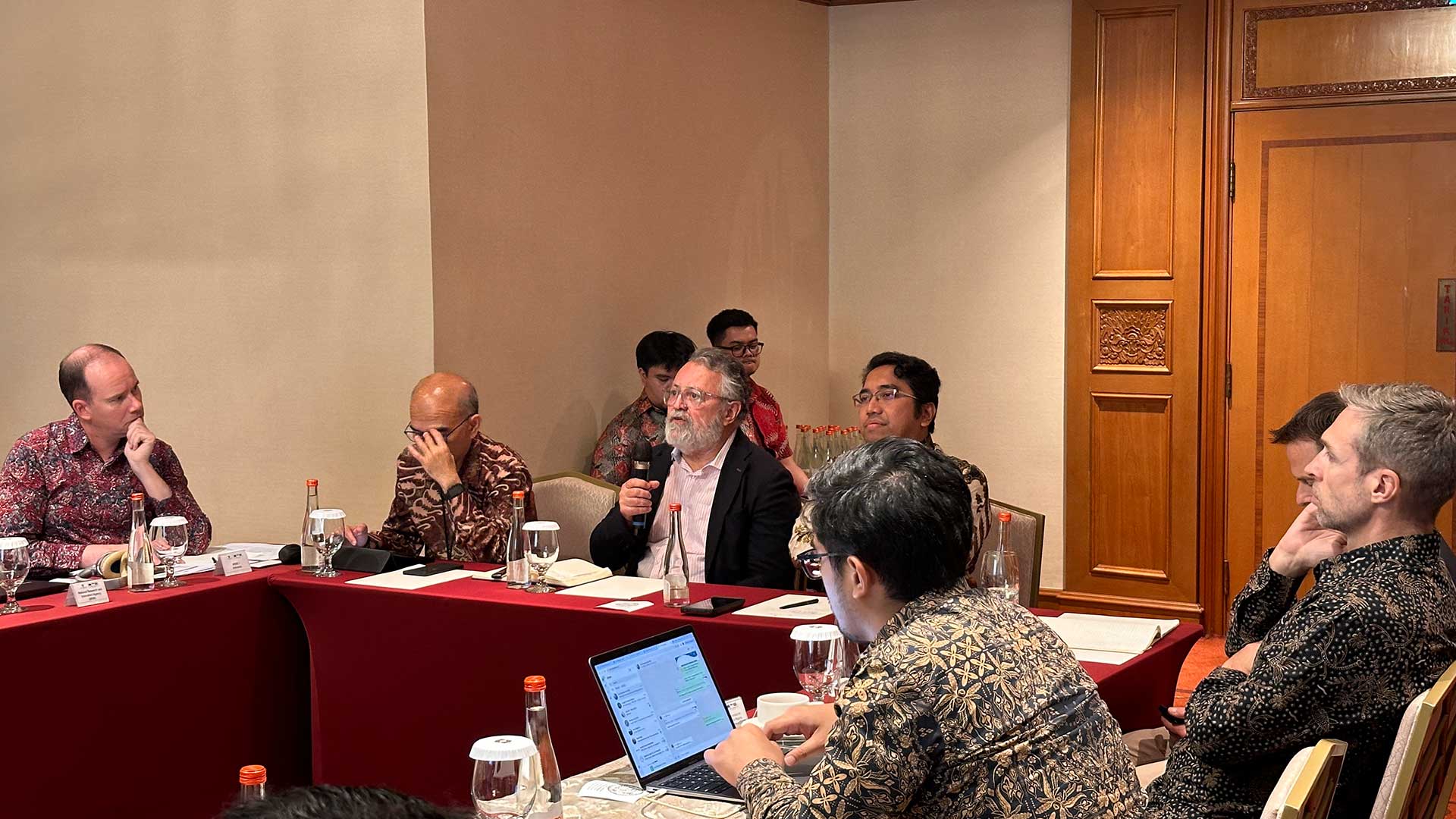
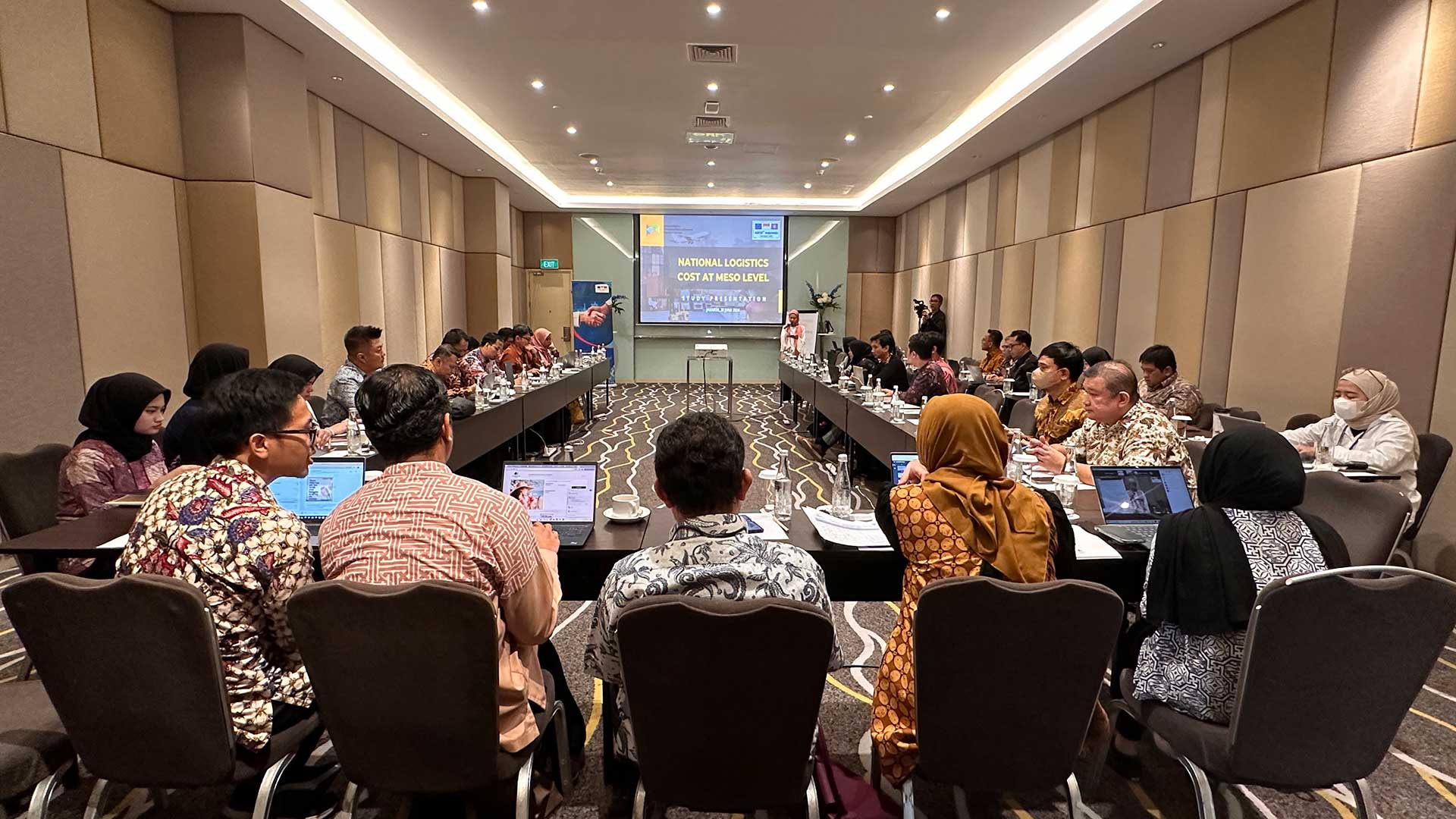
Globally, the food industry, including retailers, supermarkets, and processors, especially in the European Union (EU), increasingly demands quality-certified products with criteria that ensure food safety, sustainability, traceability, and social responsibility. Addressing this growing demand, the National Accreditation Body of Indonesia (KAN), with support from ARISE+ Indonesia, held a focus group discussion on Wednesday (16/03) to review the potential and the need to implement GLOBALG.A.P certification in Indonesia. GLOBALG.A.P is the most widely accepted good agricultural practices certification worldwide.
The Deputy for Accreditation of the National Standardisation Agency of Indonesia (BSN), Donny Purnomo, who also serves as the Secretary-General of KAN, emphasized the importance of compliance with GLOBALG.A.P standard to improve the access of Indonesian agricultural and aquaculture products into the global market and enable Indonesian farmers to increase their product acceptance rate. This will also create opportunities for the Indonesian certification bodies to provide GLOBALG.A.P certification.
More than 100 representatives from public and private certification bodies in Indonesia participated in the meeting. The GLOBALG.A.P Key Account Team Leader, Ignacio Antequera, and the Aquaculture Certification Expert, Viet Anh, presented the technical and administrative procedures of GLOBALG.A.P.
In his remarks, KAN's Director for System and Harmonisation of Accreditation, Sugeng Raharjo, said that the discussion with GLOBALG.A.P was an important step and part of the analysis to initiate a new accreditation program for the certification bodies to become eligible for issuing GLOBALG.A.P certificates.
According to Ignacio Antequera, as one of the biggest producers of shrimp, rice, fruit and vegetables in the world, Indonesia has the potential to improve its export by applying the voluntary standard requirements of GLOBALG.A.P certification. To date, 208,000 farmers in 135 countries have been certified GLOBALG.A.P.

One of the participants from the Directorate-General of Horticulture, the Ministry of Agriculture, Sekar Insani, said that the information and discussions were insightful and valuable to improve the understanding of GAP (Good Agricultural Practices) in Indonesia.
Sri Sulasmi, the Competence Assessor in one of the private certification bodies in organic agriculture, suggested that KAN/BSN could seek the opportunity to facilitate the establishment of a Memorandum of Understanding (MoU) between GLOBALG.A.P and Indonesia GAP and thereby taking the first step towards the accreditation of certification bodies.