Technical Assistance II
An alternative methodology to calculate actual logistics costs was introduced during a recent study on logistics costs conducted by the Ministry of National Development Planning/Bappenas together with Samudera Indonesia Research Initiatives, with support from ARISE+ Indonesia. The study estimated the logistics costs at the micro and mezzo levels by analysing the cost structure, the types of commodities and the transportation used. The study aimed to support Bappenas in developing a more effective policy to reduce Indonesia's logistics costs.
Logistics is a critical component of trade, both domestically and internationally. In the domestic context, logistics is essential for connecting producers and consumers across Indonesia's vast geographical areas. On the international stage, logistics is critical for facilitating global trade. The performance of the logistics sector is closely related to the logistics costs that occur in the field.
According to the Director of Trade, Investment and International Economic Cooperation of Bappenas, Laksmi Kusumawati, improving logistics costs' efficiency and effectiveness is vital to drive economic productivity and growth.
In today's globalised economy, businesses must be able to move goods and services quickly, reliably, and cost-effectively to remain competitive. The logistics industry plays a crucial role in facilitating trade by managing the transportation, storage, and distribution of goods and services.
"Despite the Government's efforts to improve logistics performance in Indonesia, logistics costs remain high. Therefore, we piloted a new methodology to estimate actual logistics costs that complements the existing national logistics cost calculations. Those methodologies together provide a comprehensive overview of logistics cost conditions in a country to improve logistics policies and practices," Ms Laksmi said.
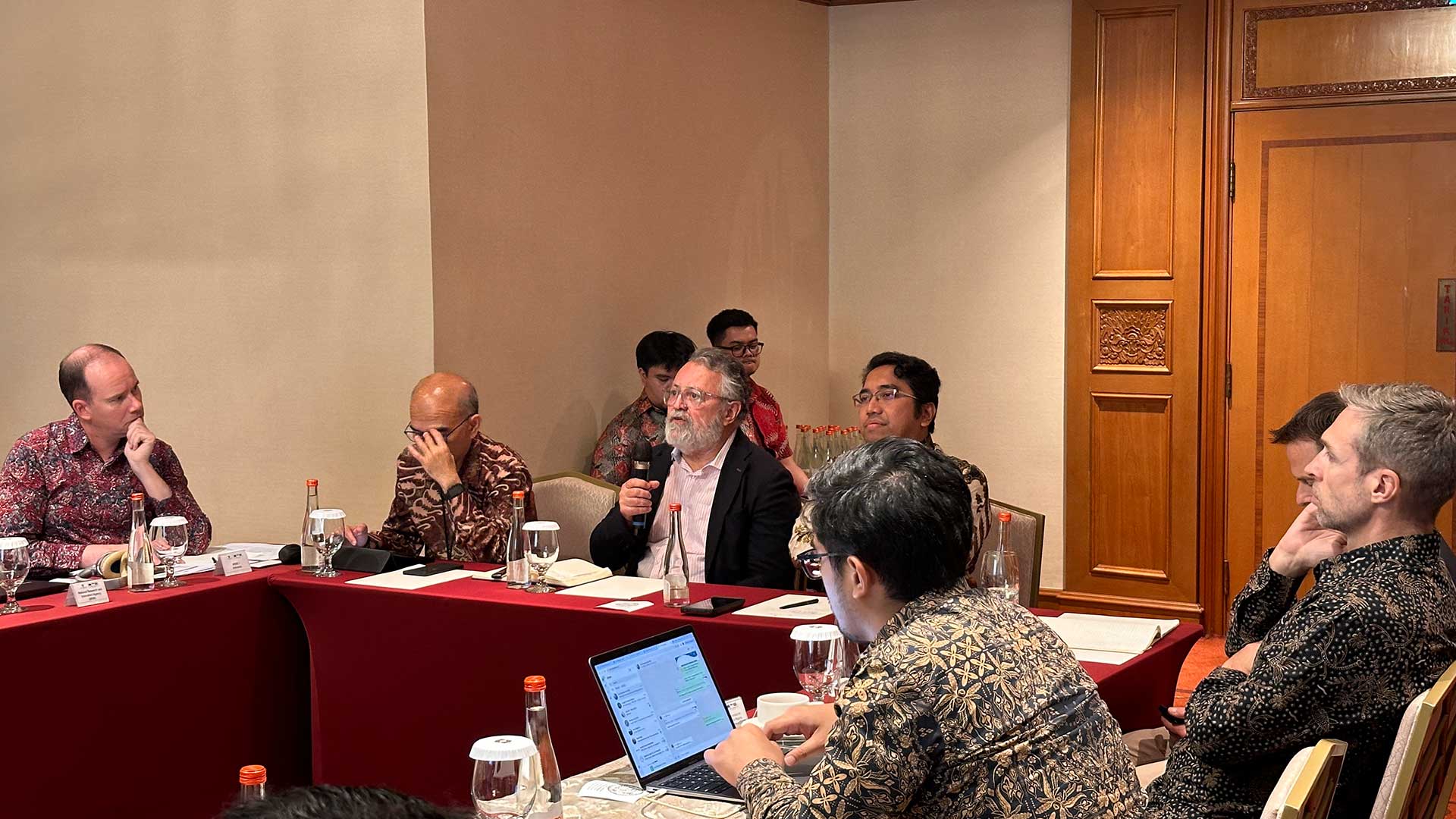
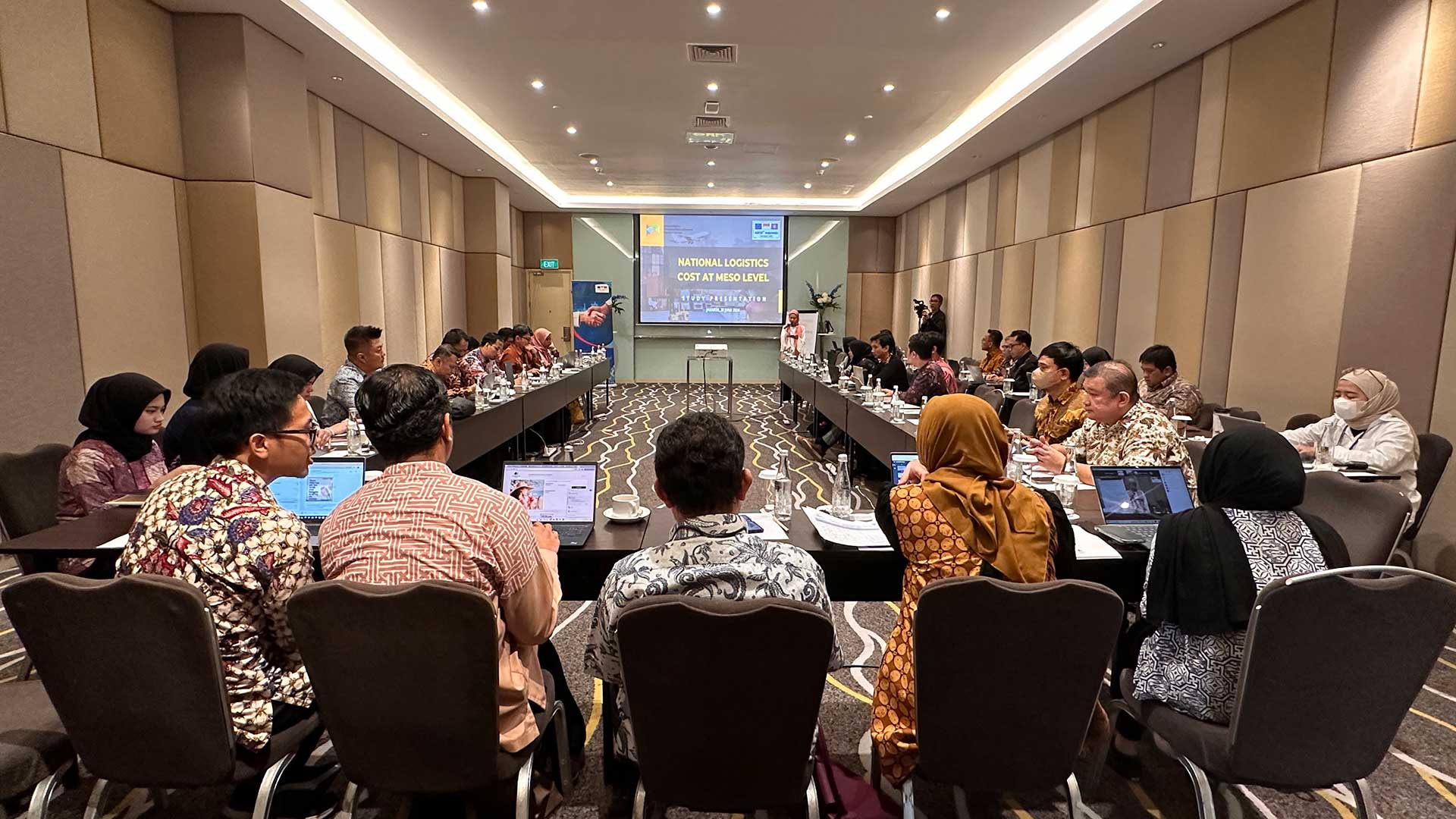
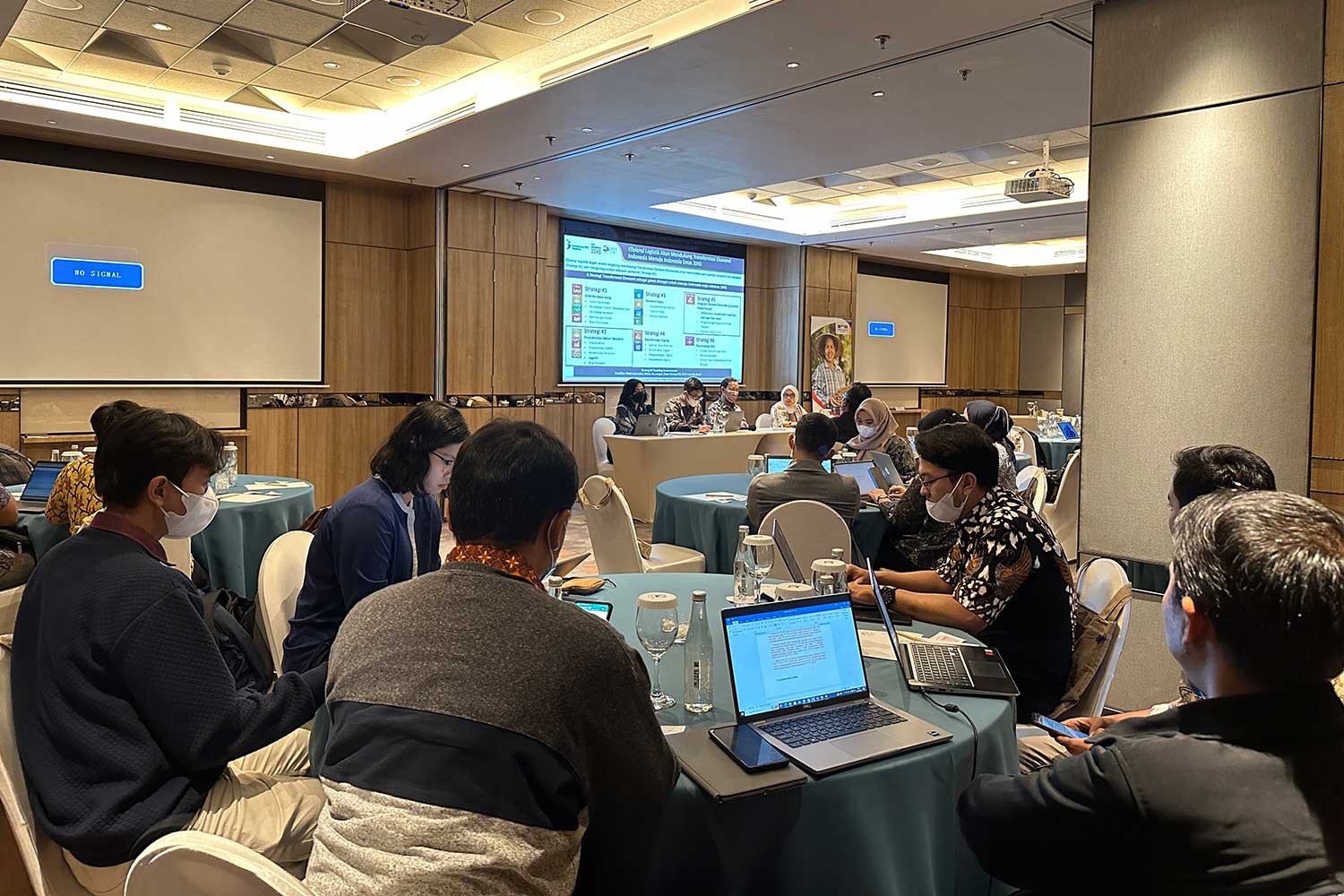
The initial finding was presented on March 10, 2023, to gather input and develop recommendations or policy actions with relevant ministries/agencies to reduce national logistics costs.
Widdi Mugijayani, ARISE+ Indonesia Trade Policy Senior Expert, underscored the importance of improved logistics performance that will contribute to better Indonesian competitiveness. Hence, enhancing bilateral economic cooperation between Indonesia and European Union.
"Logistics allows businesses to move goods and services across borders quickly and cost-effectively, a reliable and efficient logistics system is also essential for attracting foreign investors," Widdi said.
The study observed the logistics process of intra-island and inter-island/international activities. The point of delivery covered four areas, which extend from the western to the eastern of Indonesia. These 4 areas are Medan, Jakarta, Makassar, and Jayapura. Inter-regional trade in North Sumatra (Medan), DKI Jakarta, and South Sulawesi (Makassar) mainly used land transportation. Meanwhile, the mode of transportation often used to transport goods in Papua (Jayapura) was sea transportation.
Based on the findings, several key takeaways for domestic and export logistics were identified. Firstly, dividing the types of goods transported would complement existing logistics cost calculations and provide insights to improve logistics costs associated with a specific product. Secondly, classifying domestics logistics businesses as Business-to-Business (B2B) or Business-to-Customer (B2C) would reveal different characteristics of transporting goods, where B2B generally involves large volumes of goods and B2C involves small volumes of goods. Lastly, dividing logistics costs by area/route adds value to existing logistics cost calculations by identifying regional priorities in logistics policy formulation.
Dyah W. Purbandari, Policy Analyst at Coordinating Ministry for Economic Affairs, who participated in the meeting, welcomed and appreciated the new methodology introduced to estimate logistics costs at the micro and mezzo levels, contributing to more comprehensive and efficient policies. She suggested expanding the respondents and mapping the economic sectors to generate more comprehensive data.