Technical Assistance II
As Indonesia recognises the increasing significance of the services economy and services trade, strategic steps are being implemented to harness its potential and impact on the nation's economic landscape.
The country's Gross Domestic Product (GDP) saw its services value-added share jump from 33.4% in 2000 to 42.8% in 2021. This growth parallels a rise in service sector employment, moving from 42% in 2000 to 49% in 2019. Despite being in its early stages, Indonesia's services trade also showcased significant growth. Between 2010 and 2019, services exports nearly doubled, rocketing from USD 16.9 billion to a staggering USD 31.6 billion, indicating the sector's evolving vitality.
The pivotal role of services in Indonesia is also underscored by the increasing 'servicification' of the economy. For instance, car manufacturers today are not just producers of vehicles but also service providers. They routinely offer financing, product customisation, and post-sales care. This growing 'servicification' of the manufacturing sector is poised to further boost the expansion of service trade, enhancing Indonesia's engagement in the Global Value Chain (GVC).
To navigate this evolving landscape, the Government recognises the need to understand the services economy's intricate dynamics. Hence, a robust mechanism to monitor the Trade in Services performance becomes paramount. Furthermore, successful trade negotiations require a thorough understanding of the sector, which makes a coordination mechanism essential.
Building on the framework established last year with ARISE+ Indonesia's support, the Directorate of Trade in Services Negotiations of the Ministry of Trade has once again collaborated with ARISE+ Indonesia to develop a series of capacity-building programs from August 2023 to March 2024. These initiatives intend to transform the framework into a robust tool for the Government to monitor Indonesia's Trade in Services sector performance, ensuring that negotiators remain informed of sectoral trends, as well as developing a coordination mechanism.
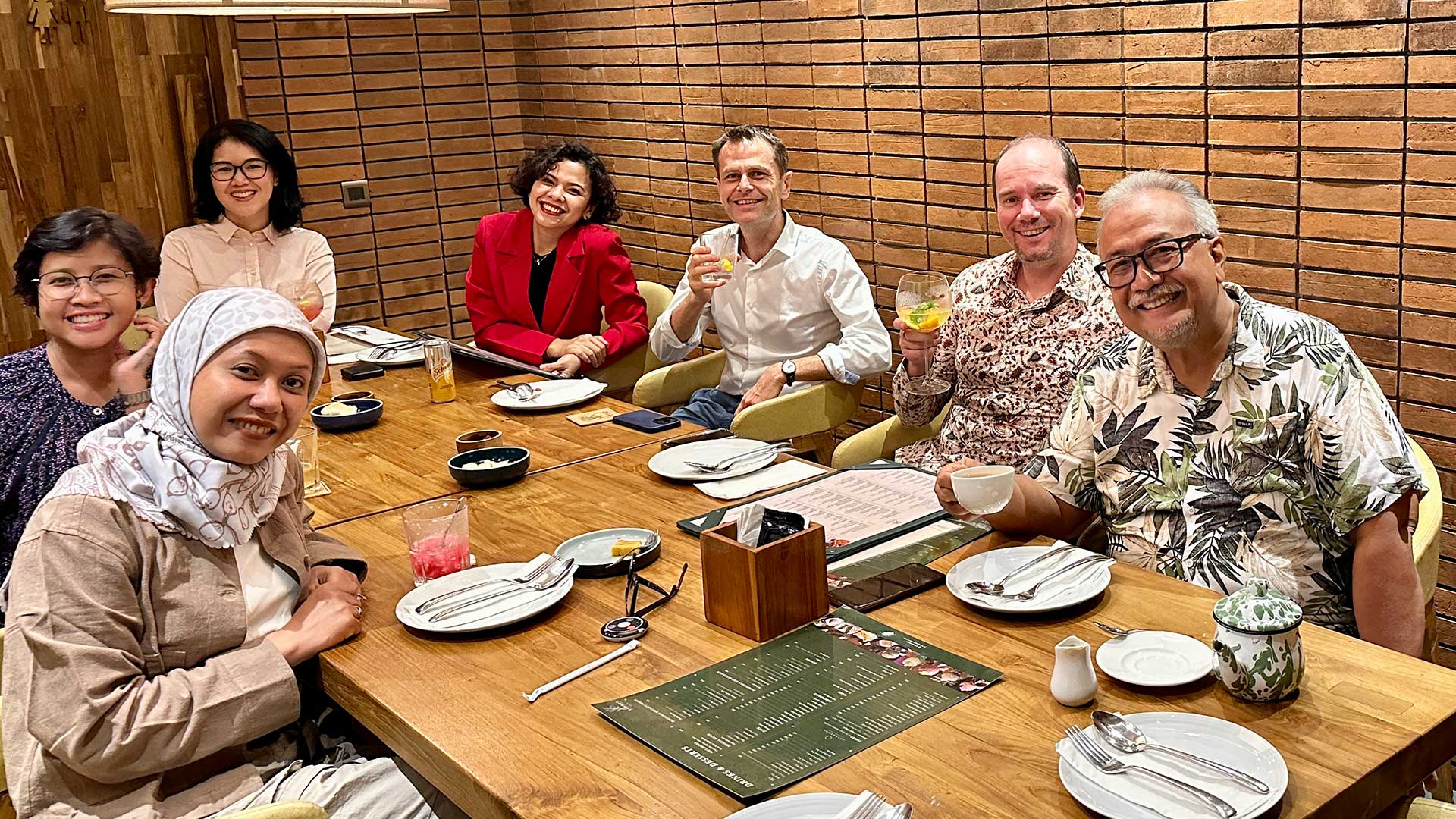
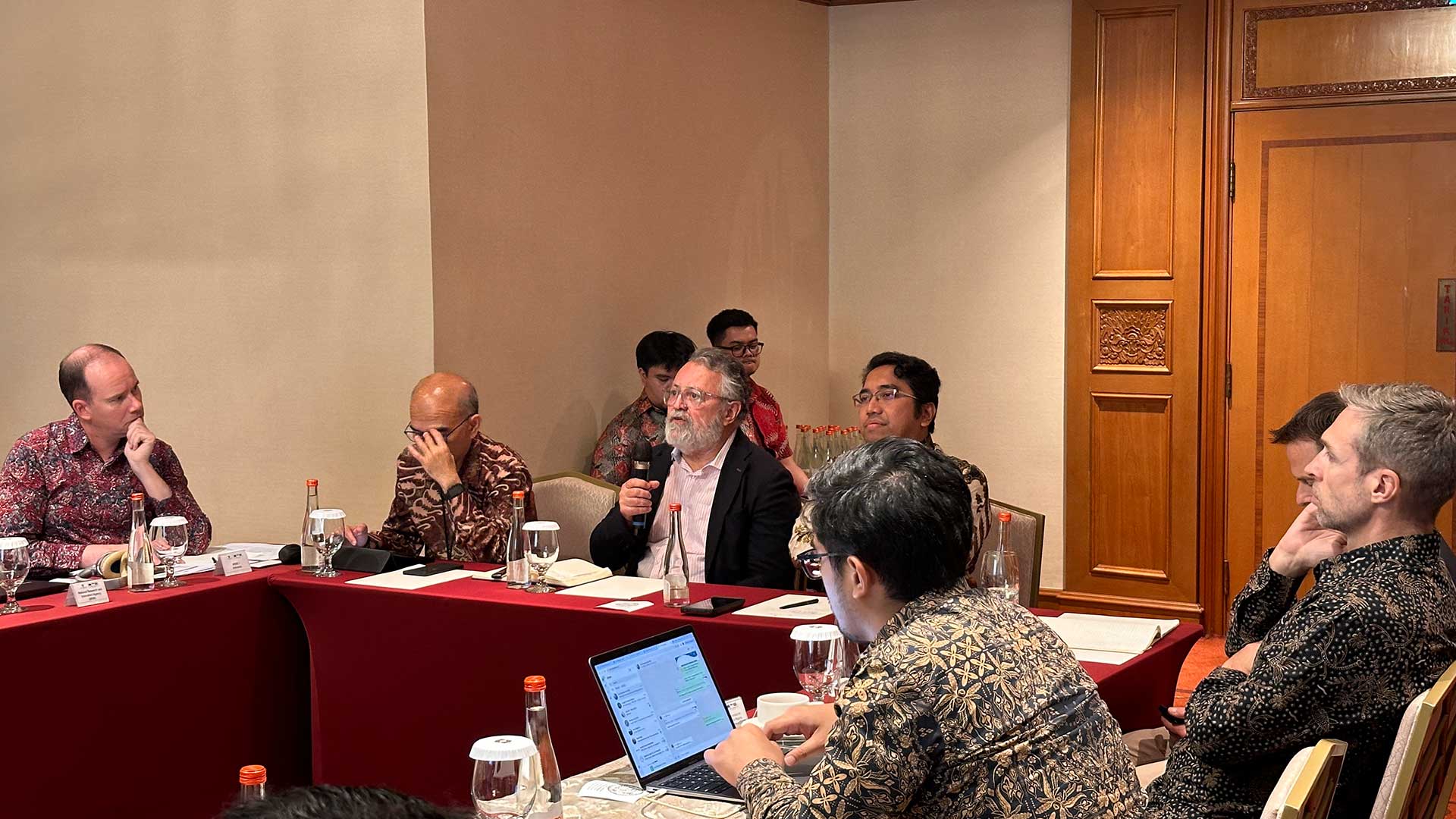
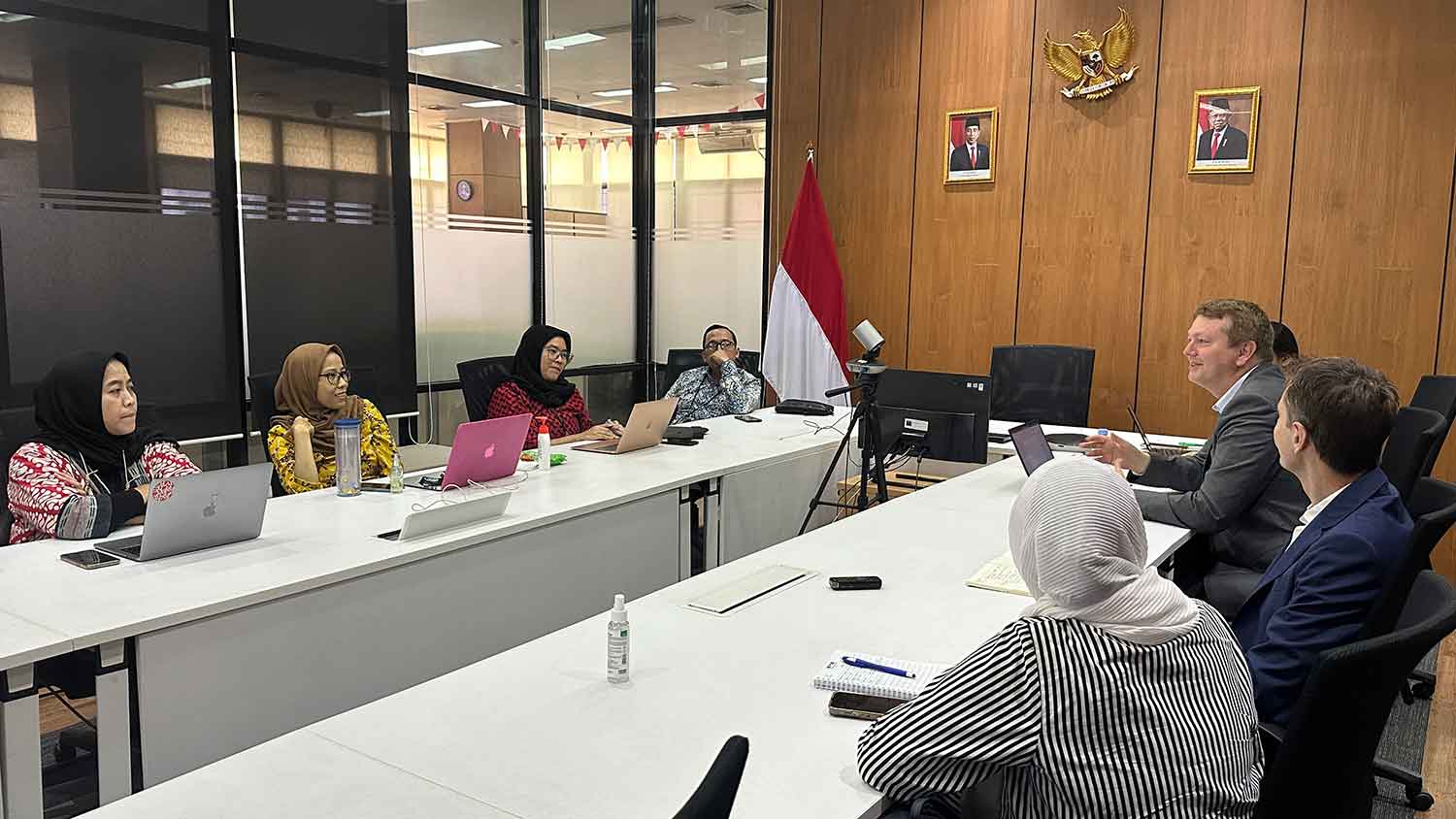
The kick-off meetings took place on 9 and 11 August 2023 to address planning, expected outcomes, and logistical arrangements. The Ministry of Trade's team was helmed by Ika Yulistyawati, an Intermediate Trade Negotiator, with ARISE+ Indonesia's TA II Team Leader, Alessandro Martinatto, leading ARISE+ Indonesia's delegation.
Speaking on behalf of the Director of Trade in Services Negotiations, Intermediate Trade Negotiator Ika Yulistyawati stated, "We hope that by establishing this monitoring system and coordination mechanism, we can significantly enhance the competitiveness of Indonesia's services sector."
Facilitating these initiatives, Widdi Mugijayani, the Senior Expert from ARISE+ Indonesia, with strategic delivery support from the International Economics Consulting (IEC) under Paul Baker's leadership. The capacity-building agenda encompasses expert consultations, training sessions, studies, policy directives, and tailored technical assistance.
Two primary activities will constitute the capacity-building in Trade in Services. First, a mechanism will be developed to monitor Indonesia's Trade in Services sector's performance. This is especially pertinent given Indonesia's current service trade negotiations with the EU and its anticipated future engagements. Upon completion of the monitoring system development, a workshop will showcase and pilot the proposed monitoring system. A user-friendly dashboard will also be created to ease the monitoring process and understanding the data.
The second activity aims to establish a Trade in Services coordination mechanism, actively involving private sector associations to provide negotiation inputs. This includes training sessions and technical assistance for public and private sector entities, ensuring their comprehension of the system complexities that will allow them to contribute effectively to negotiations. Concurrently, a Terms of Reference will be formulated to guide the establishment of the Trade in Services Committee.