Technical Assistance II
Investment is a crucial element for promoting economic growth and international economic integration. With the right policy framework, investment can enhance financial stability, promote technological adoption, and improve people's welfare.
Indonesia aims to achieve its Vision 2045 by encouraging investment and exports as the primary drivers of economic growth. In 2022, Indonesia recorded a realisation of foreign direct investment (FDI) value of USD 45.6 billion, a 46.7% increase compared to 2021. Meanwhile, domestic investment reached IDR 552.8 trillion, a 23.6% increase compared to the 2021 figure. These increases signify a significant rebound from growth in 2021 and 2020.
However, Indonesia's investment performance has not been able to drive economic growth optimally due to the occurrence of economic inefficiency as shown by the increasing value of the Incremental Capital Output Ratio (ICOR), around 6.2-6.3 percent in 2022. Incoming investment has not boosted Indonesia's level of participation in global supply value chains. Moreover, global economic uncertainty arising from geopolitical tensions and protectionist practices could pose a threat to FDI performance in Indonesia going forward. Additionally, relatively low institutional factors, such as governance, are one of the challenges in increasing investment in Indonesia.
To increase FDI, the Government of Indonesia targets an FDI-to-GDP ratio of 34.1% in 2025, with an average investment growth of 6.4% per year, and a target investment-to-GDP ratio of 38.1% by the 100th anniversary of Indonesia's independence in 2045. The government has implemented strategies to achieve those targets such as cutting red-tape regulations and simplifying business and investment procedures.
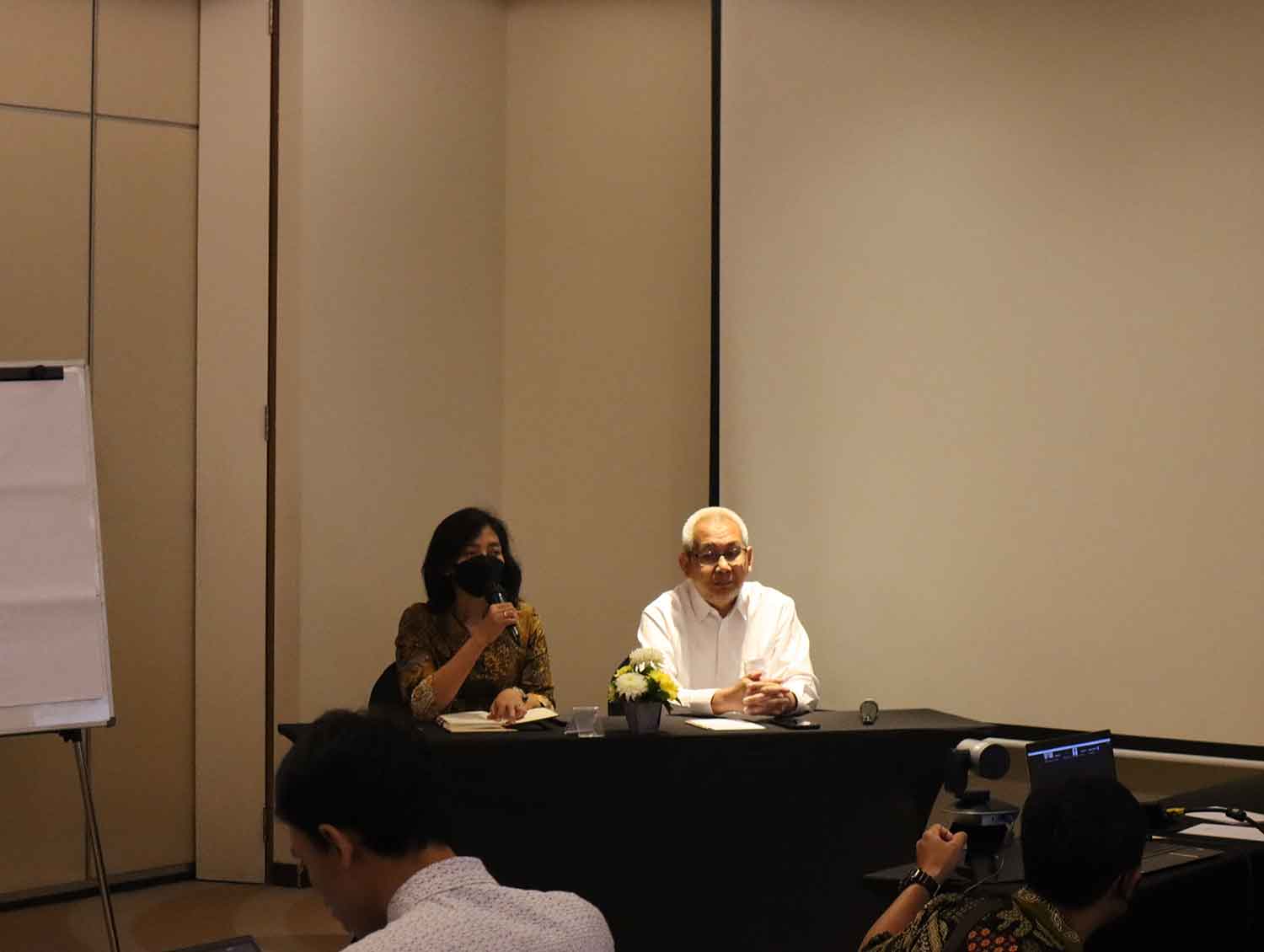
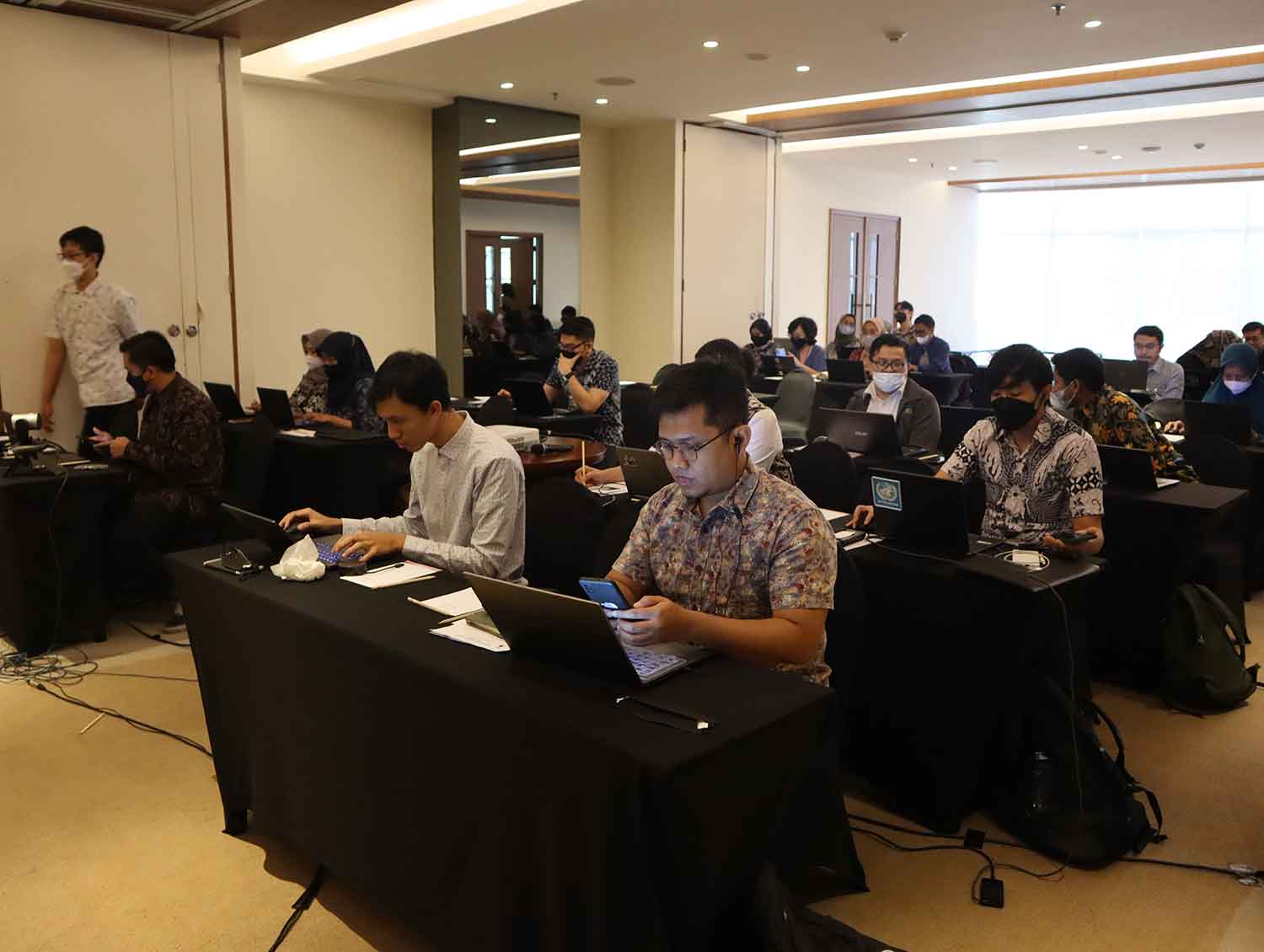
To maintain investment momentum, the Ministry of National Development Planning/Bappenas, in collaboration with the Institute for Economic and Social Research - Faculty of Economics and Business, University of Indonesia (LPEM FEB UI), with full support from ARISE+ Indonesia, developed a Grand Design on Investment or Investment Roadmap. The results of this Grand Design on Investment study were presented to stakeholders, including the Ministry of Investment/BKPM, the Coordinating Ministry for Maritime Affairs and Investment, business associations such as the Indonesian Employers' Association (APINDO), the Chamber of Commerce and Industry (KADIN), as well as development partners such as the World Bank, and the Committee for Monitoring the Implementation of Regional Autonomy (KPPOD) on 12 April 2023.
PN Laksmi Kusumawati, the Director of Trade, Investment, and International Economic Cooperation, Bappenas, expressed her appreciation for the Grand Design on Investment study conducted in collaboration with LPEM and ARISE+ Indonesia. She also thanked the stakeholders for their participation and valuable input.
"This study is expected to enhance the performance and quality of Indonesia's investment," Ms Laksmi said.
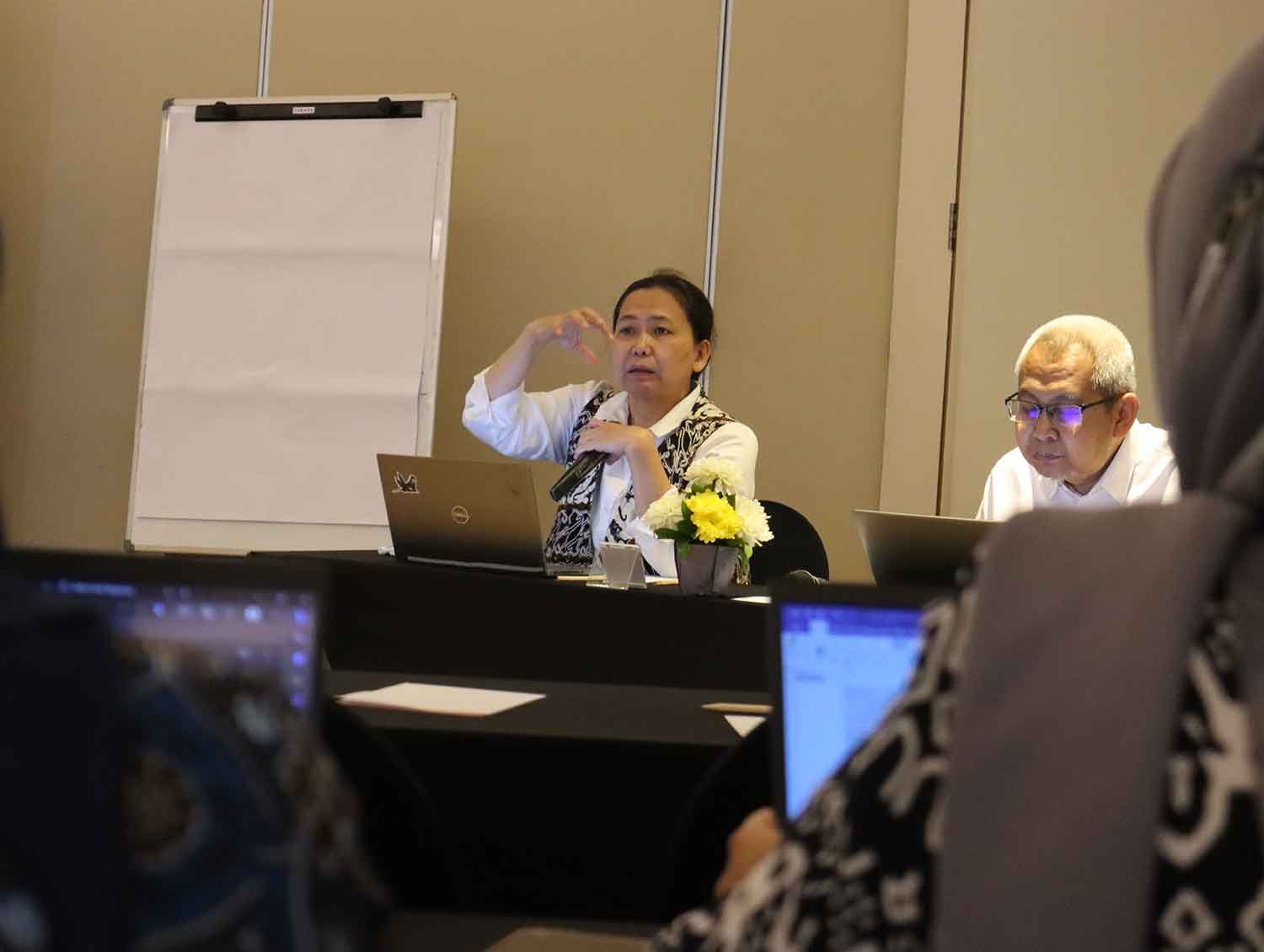
According to Fajar Hadi Pratama, the Policy Planner/Investment Coordinator at Bappenas, the Grand Design on Investment study aimed to map out Indonesia's current investment challenges and develop strategies and action plans with specific implementation timelines for each stakeholder involved in the investment sector. In addition, the roadmap is expected to serve as input in the annual Government Work Plan (RKP) of the 2020-2024 National Medium-Term Development Plan (RPJMN) and as a reference material in planning the initial phase of the next RPJMN, particularly for the 2025-2029 period.
The Grand Design on Investment study identified challenges faced by Indonesia related to institutions, regulations, competitiveness, and the quality of human resources. The study recommended strategies and action plans to solve these challenges that can be implemented in the 2025-2029 RPJMN period and during the following three RPJMN periods.
Stakeholders welcomed the Grand Design on Investment study. Ratih Purbasari Kania, Director of Natural Resource Planning, BKPM, appreciated the study, saying it would be useful as input for BKPM in preparing medium and long-term investment planning documents, the BKPM Strategic Plan 2025-2029 and the General Investment Plan for the 2026-2045 period.
The Head of APINDO's Economic Policy Analyst Committee, Ajib Hamdani, praised the comprehensive study's results and suggested crucial matters for input in policy formulation.
These include increasing the efficiency and effectiveness of SOEs to boost state revenues, providing comprehensive upstream-to-downstream assistance for MSMEs, as the MSME sector supports 60.8% of GDP, ensuring that the level of employment is directly proportional to the value of an investment, encouraging domestic investment to support downstream policies, so that domestic players can also feel the increased added value, and providing monetary and fiscal incentives to promote green investment.
Representatives from the World Bank, KADIN, and KPPOD also provided their input for improving the study results.