Technical Assistance I

Trade remedy policy is crucial to supporting domestic producers from unforeseen import surges or unfair trade practices from overseas businesses, which cause injury to the domestic industry. On the other hand, introducing trade remedies can impact downstream industries, consumers, and even the wider macroeconomy. Therefore, the policymaking process of investigating trade remedies should be carried out carefully and objectively based on reliable data and robust methodology.
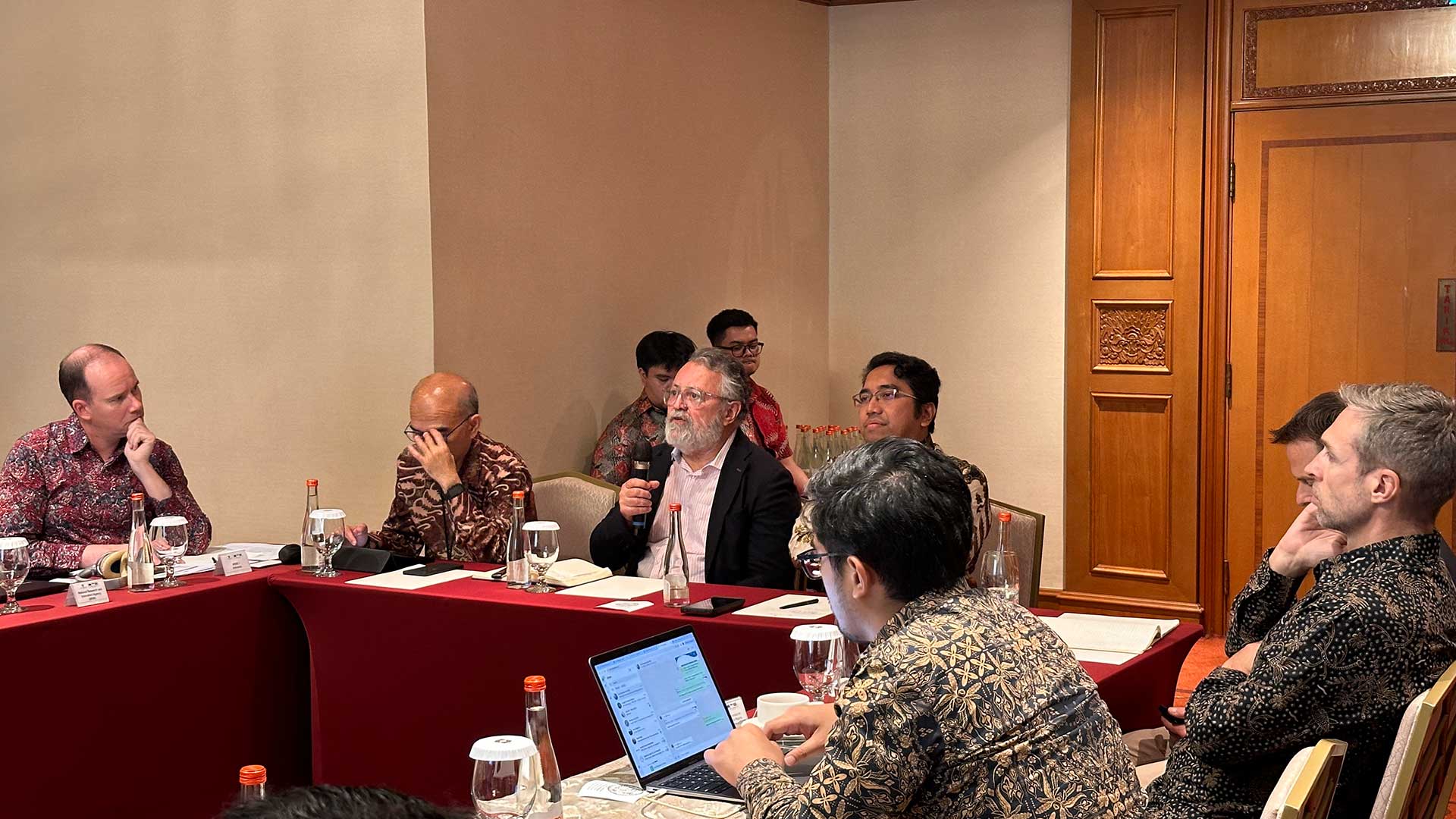
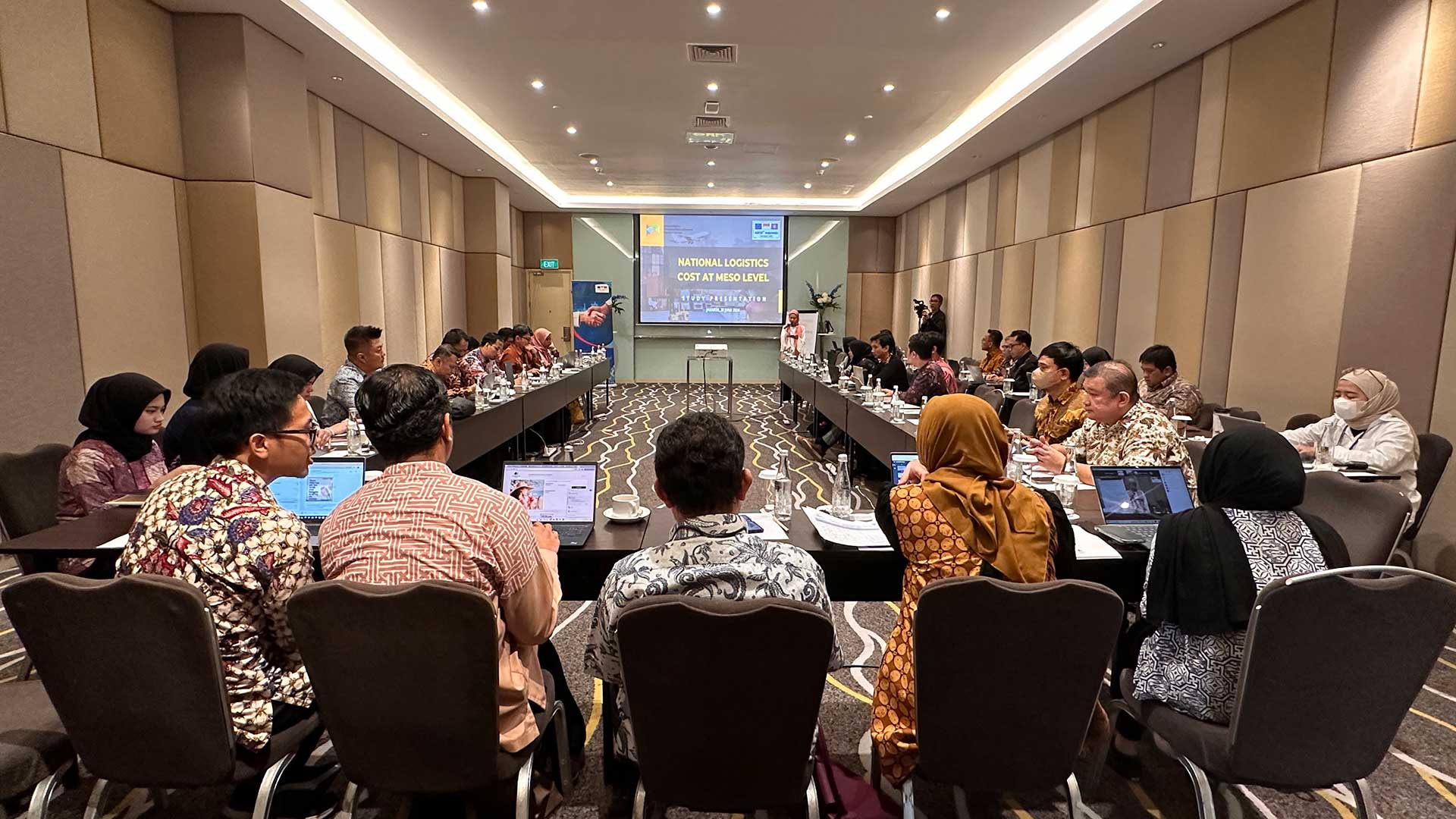
To address the issue, the Trade Policy Analysis and Development Agency (TREDA) of the Ministry of Trade (MoT), with support from ARISE+ Indonesia, organised an advanced workshop on "Improving the Policy Framework of Trade Remedies: Socio-Economic Impact Methodology Design".
The training consists in a series of workshop activities that started in 2021 to support the capacity enhancement of the Advisory Team for National Interest in conducting an analysis of the potential impact of the trade remedies policy on socio-economics.
This year's training was delivered through four workshops in a hybrid format by ARISE+ Indonesia's Senior Experts, Paul Baker and Neetish Hurry. More than 100 officials from the Ministry of Trade and other relevant line ministries participated in the first workshop on 12 May on conducting consultations and surveys, preparing the questionnaires, and collecting and analysing the responses.
In the second and third workshops on 17-18 May, the participants learned how to conduct the socio-economic impact assessment methodology using an augmented partial equilibrium model, interpret the results and calculate wider impacts, such as on employment and sector impacts using pilot case data. The fourth workshop, on 24 May, targeted a broader range of stakeholders, such as business associations and business actors, discussing and validating a socio-economic assessment methodology policy note.
In his opening remarks, the Head of TREDA, Kasan, encouraged the participants to actively engage in the discussions during the workshop and learn how to obtain reliable data and information.
One of the participants, Niki Barenda Sari, a Trade Analyst at the Center for Foreign Trade Analysis, said that the training enhanced the knowledge and capacity for the applying a socio-economic assessment methodology to the analysis of trade remedies.
"We now have a uniform and robust methodology in conducting a socio-economic assessment to ensure valid and reliable results," Niki said.