Technical Assistance II
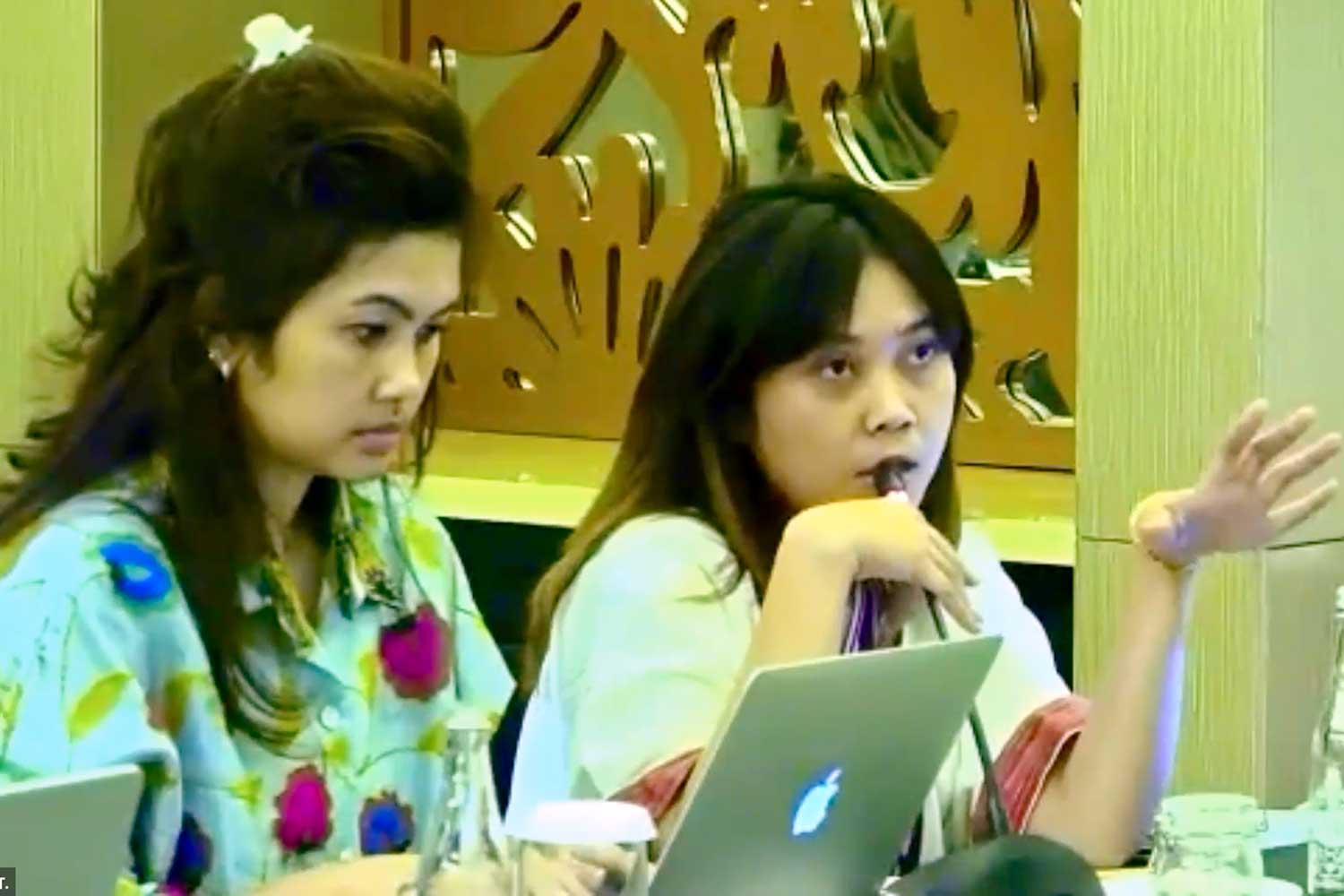
Currently, the negotiating team at the Directorate of World Trade Organization (WTO) Negotiations, which falls under the Directorate General of International Trade Negotiations of the Ministry of Trade, is preparing negotiation materials for the upcoming 13th WTO Ministerial Conference. This conference is scheduled for February 2024 and will be held in Abu Dhabi. Among them is Mary, a Junior Trade Negotiator, one of the key team members tasked with negotiating rules pertaining to subsidies that contribute to overcapacity and overfishing as part of the WTO Fisheries Subsidies Agreement (FSA).
Adopted by consensus at the WTO's 12th Ministerial Conference, held in Geneva in June 2022, the Agreement on Fisheries Subsidies establishes new, binding, multilateral rules to curb harmful subsidies. These subsidies are a key factor in the widespread depletion of the world's fish stocks. However, the best approach to regulate subsidies that will contribute to overfishing and overcapacity, while considering the appropriate and effective special and differential treatment for developing and least-developed countries, as called for in SDGs 14.6, has yet to be negotiated.
"This agreement is very important for Indonesia, being a maritime nation, as it addresses critical issues for preserving marine ecosystems and enabling sustainable exploitation of marine resources," said Mary, who has been with the Directorate for five years.
According to Mary, the urgency of deliberations aimed at eliminating harmful fisheries subsidies, which began in 2001, is underscored by the alarming depletion of global fish stocks, a consequence of overfishing and illegal practices. The United Nations Conference on Trade and Development (UNCTAD) reports that nearly 90% of the world's marine fish stocks are now fully exploited or overfished. Similarly, the Food and Agriculture Organisation (FAO) estimates that about one-third of the world's fish stocks are overexploited, leading to declines in fish populations as global catch rates exceed the reproductive capacity of the ocean. A major cause of this depletion is the huge subsidies for fishing activities, totalling more than USD 20 billion per year. This loss of fish stocks threatens not only global fisheries and related employment, but also food security for billions of people worldwide.
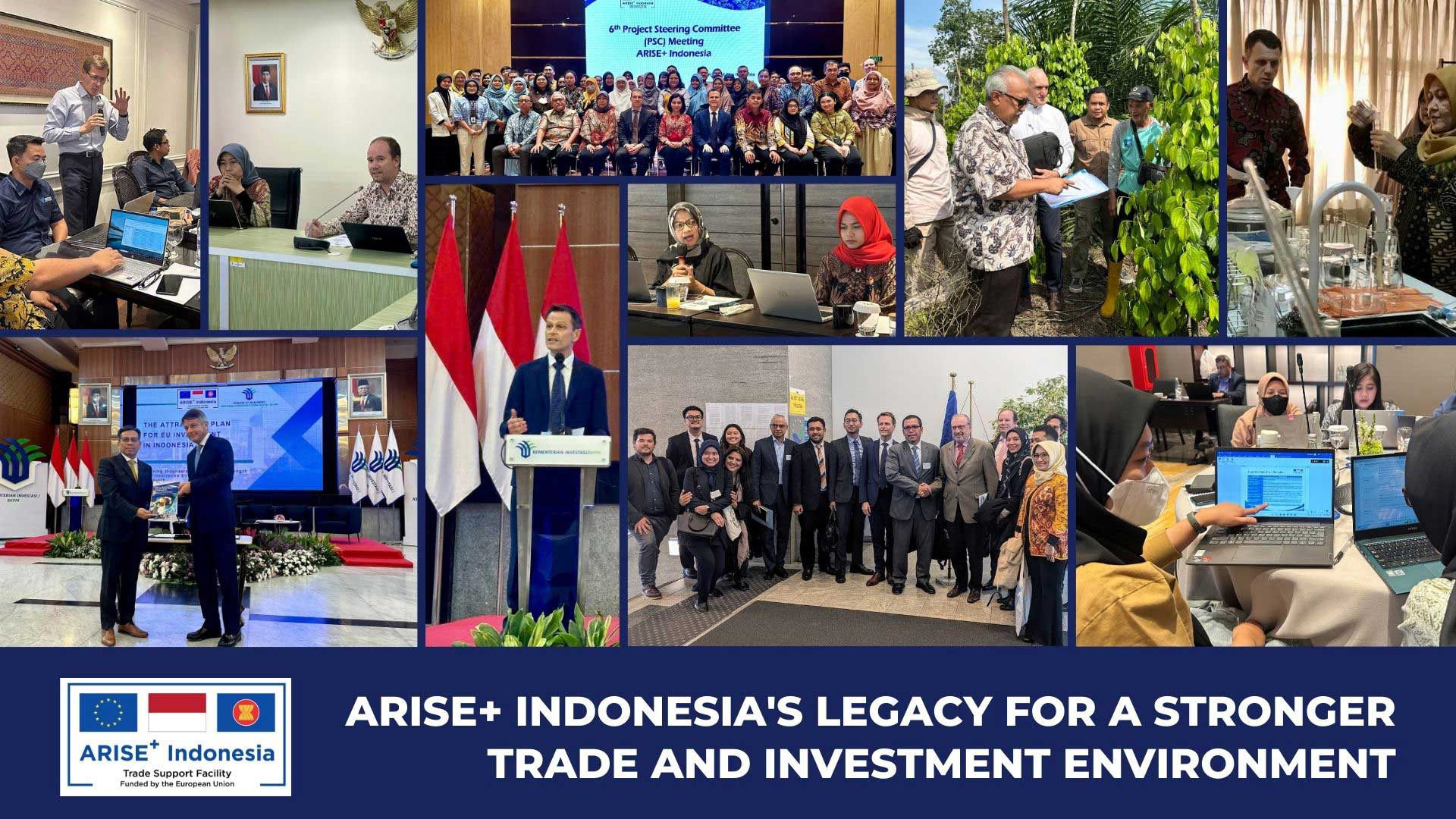
Recognising the importance of the fisheries sector to Indonesia, one of the world's largest fish producers, the General Directorate of International Trade Negotiation at the Ministry of Trade is collaborating with ARISE+ Indonesia. This partnership aims to strengthen the capacity of Ministry of Trade officials in areas related to Non-Tariff Measures (NTMs), Trade Reform, and Sustainability.
Wijayanto, the Director of WTO Negotiations at the Ministry of Trade, stated that the capacity-building program includes the preparation of concept notes and presentations on six topics currently under discussion at the WTO. These topics include data protection, fisheries, the environment, MSMEs (Micro, Small and Medium Enterprises), agriculture, and dispute settlement.
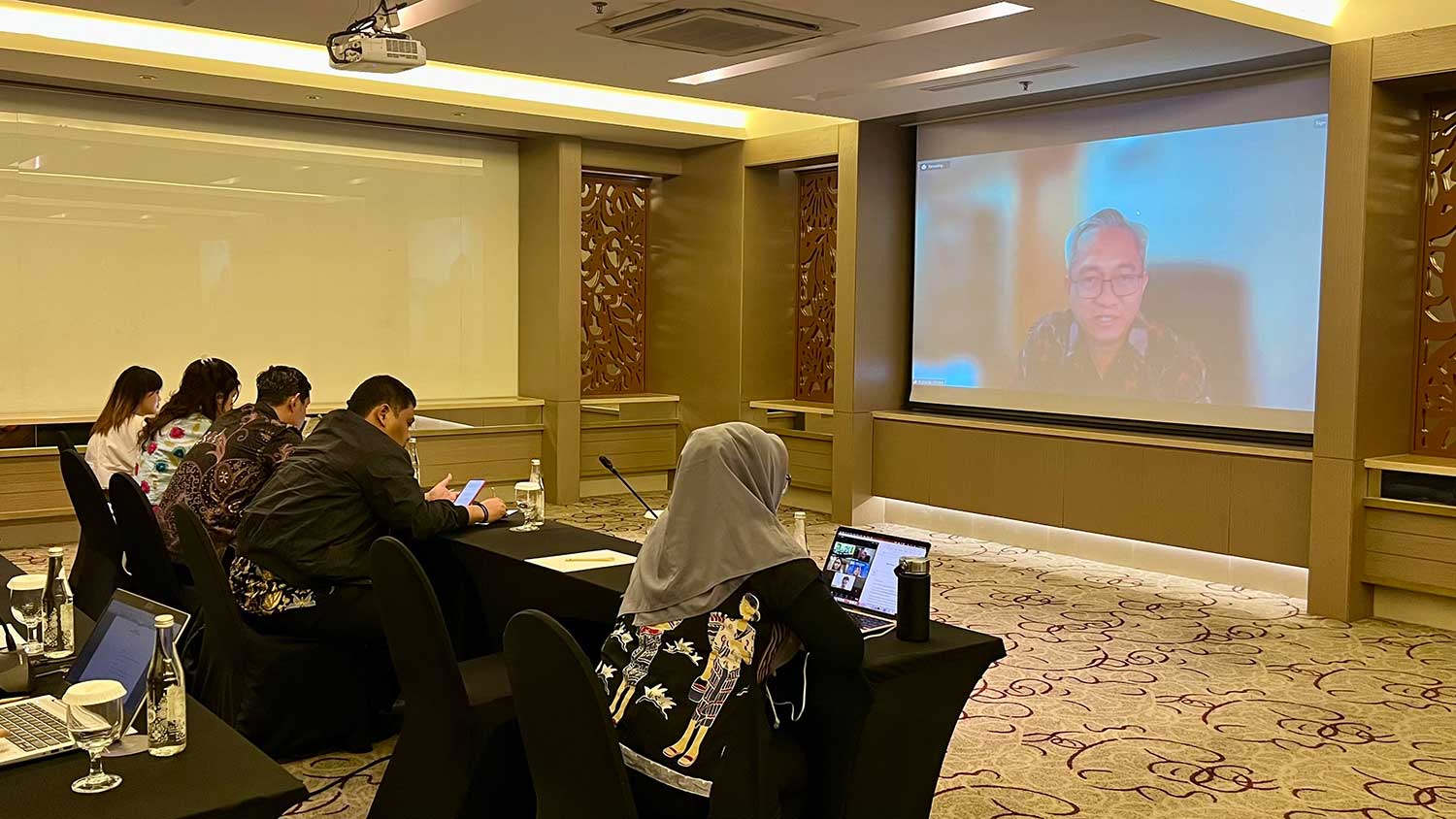
"This activity is very important for our personnel to enhance their understanding of these issues as a foundation in preparing Indonesia's negotiating position," said Mr Wijayanto.
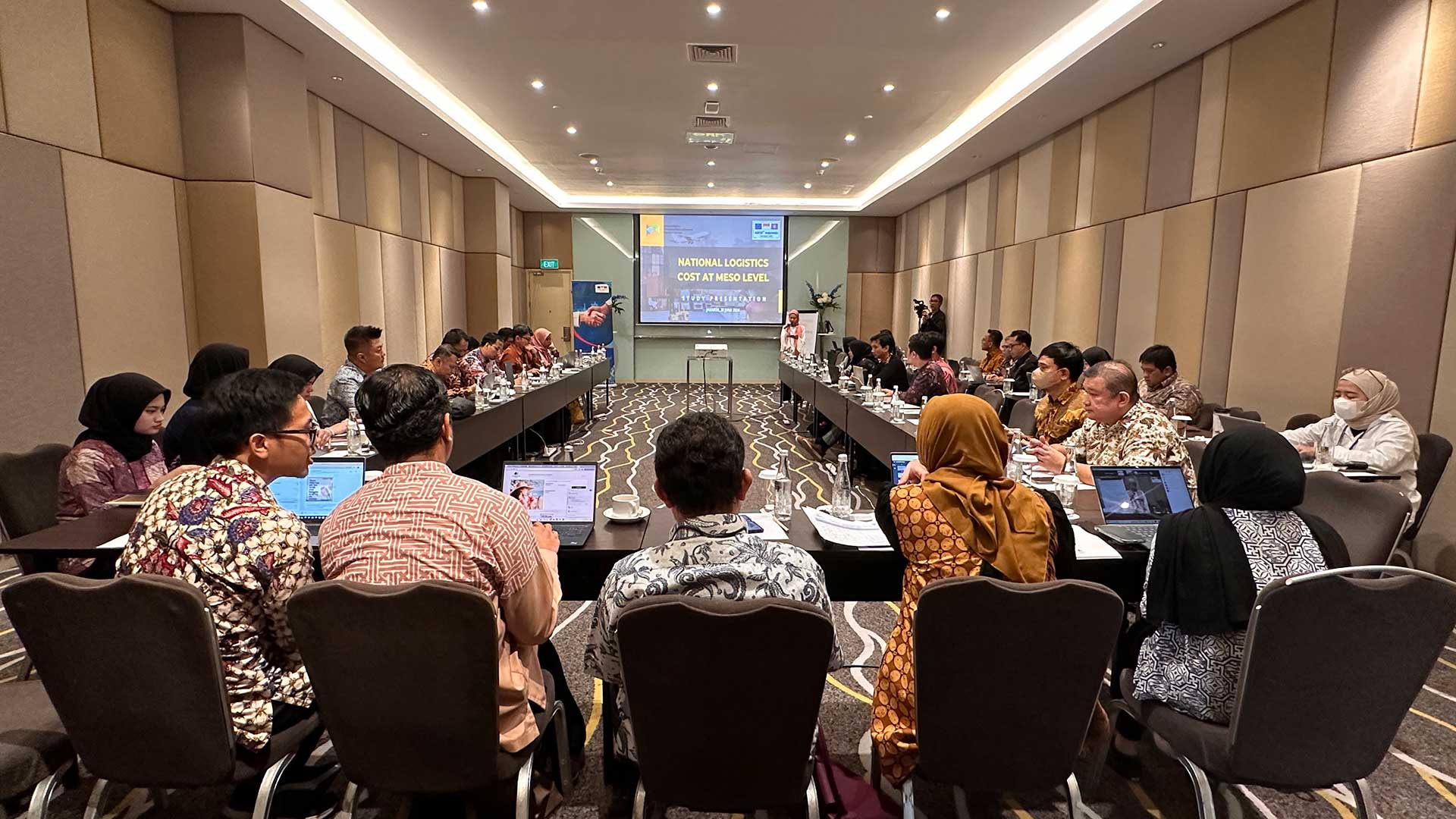
The paper on Fisheries Subsidies, completed by the ARISE+ Indonesia team of International Economic Consulting under the leadership of Paul Baker, was presented in a hybrid format on January 23, 2024.
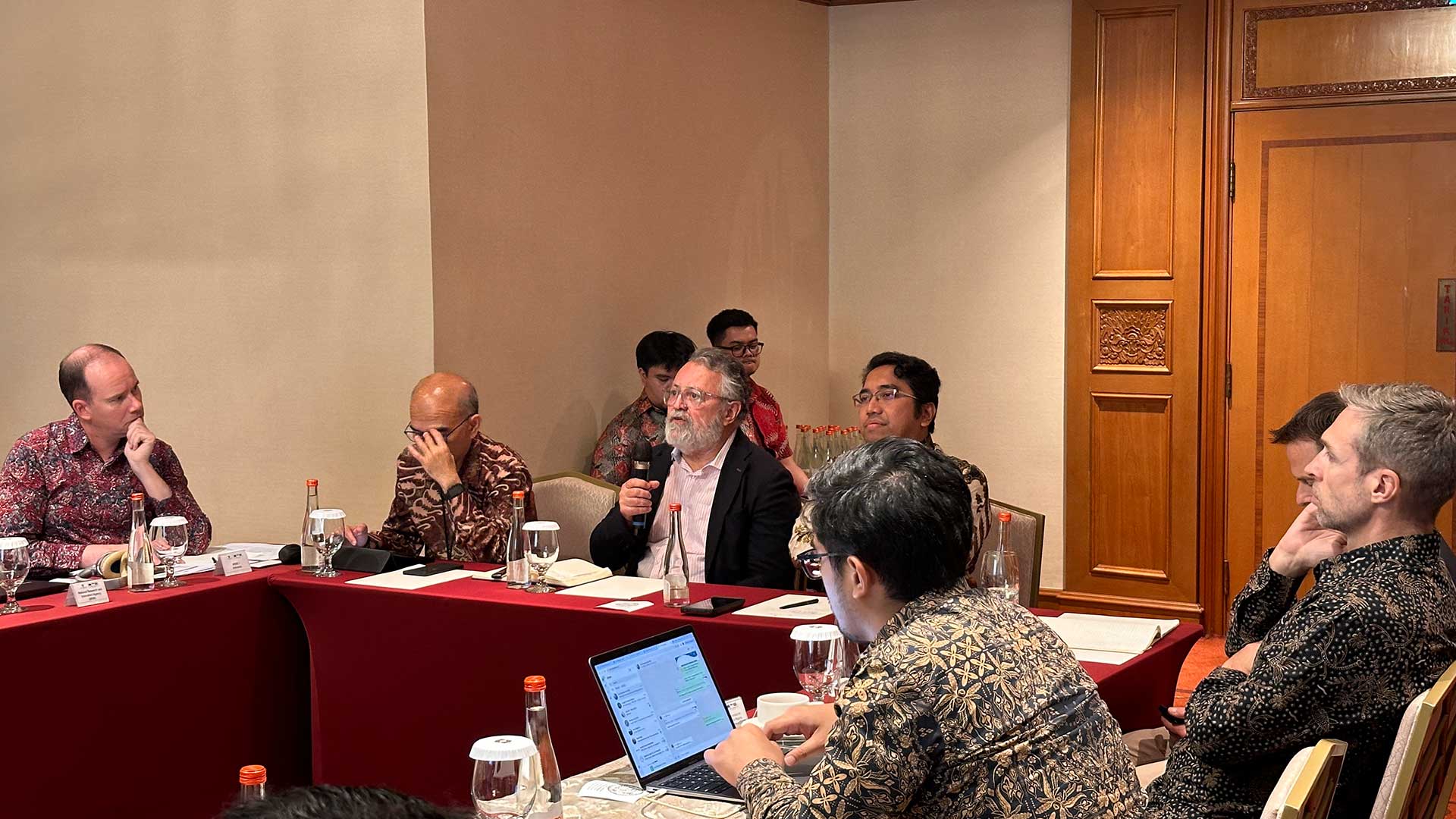
Mary participated in that pivotal workshop, which was more than just another event for her. It provided her the opportunity to discuss fisheries subsidies with both domestic and international experts. Alongside ARISE+ Indonesia experts, the workshop also featured Utari Oktavianty, the Chief Sustainability Officer at Aruna, the first Indonesian startup focusing on connecting local fishermen to a wider market using an advanced technology. Ms Oktavianty shared insights on fisheries subsidies from the private sector's perspective, particularly in its efforts to empower small-scale fishers.
"I feel really grateful for the opportunity. It broadened my perspectives and provided me with valuable insights to prepare our position paper for the negotiation," Mary shares.
Mary also praised the paper, noting that its discussion was quite comprehensive. She found the detailed analysis of various countries' positions at the WTO particularly insightful. This understanding is crucial for comprehending the dynamics of the negotiations, which involve a complex interplay of global interests and environmental imperatives.
"The paper is really insightful as a reference in encouraging the establishment of effective and fair fisheries subsidies disciplines, while advocating for the protection of small-scale fishers," Mary remarked, emphasising the paper's practical impact on her work.