13 October 2023 - Technical Assistance II
For Lilis, a Quality Control Officer at a Fish Processing Unit in Makassar, the Catch Certificate (SHTI) training organised by the Directorate General of Capture Fisheries (DJPT) under the Ministry of Maritime Affairs and Fisheries (MoMAF) and supported by ARISE+ Indonesia offered invaluable insights and knowledge. This is significant because Lilis, who is responsible for ensuring the completeness of SHTI documents, has frequently encountered challenges in the field.
"Understanding the requirements and procedures for SHTI issuance is crucial. This knowledge paves the way for us to smoothly access the European Union (EU) market," Lilis remarked enthusiastically.
According to Lilis, the EU represents a highly lucrative market for fisheries exports, especially for a marine-rich country like Indonesia. Lilis's perspective isn't baseless. Data from the United Nations COMTRADE database indicates that EU imports of fish, crustaceans, molluscs, and aquatic invertebrates totalled US$26.34 billion in 2022. However, the MoMAF reported that Indonesia's fisheries exports to the EU in 2022 stood at only US$357.12 million, highlighting a significant potential for growth.
Yet, the European market presents hurdles. As Lilis noted, Indonesian fish processing units (UPIs) grapple with the EU's stringent traceability standards. Traceability, the ability to track any seafood product back to its origin, is pivotal to the EU's import regulations. This focus arises from global concerns about overfishing and marine ecosystem degradation. The EU is committed to ensuring that imported fish products are ethically sourced and environmentally sustainable, as outlined in the European Council (EC) Regulation No. 1005/2008.
Many UPIs, Lilis pointed out, found it challenging to establish such rigorous systems. Traditional fishing practices, fragmented supply chains, and limited modern infrastructure impede consistent record-keeping. Furthermore, the array of fishing methods and numerous small-scale fishermen complicate the traceability process. Notably, these small-scale fishermen might lack the means or knowledge to maintain logs that EU standards demand.
Lilis expressed deep appreciation for the SHTI training, emphasising its critical role in enhancing industry practices. She also expressed hope that the government would assist UPI in raising awareness of SHTI among small-scale fishermen.
"If the government promotes the SHTI regulation, small-scale fishermen would likely be more receptive. They would also need support from the government to facilitate their compliance with the implementation of Catch Certificates," said Lilis.
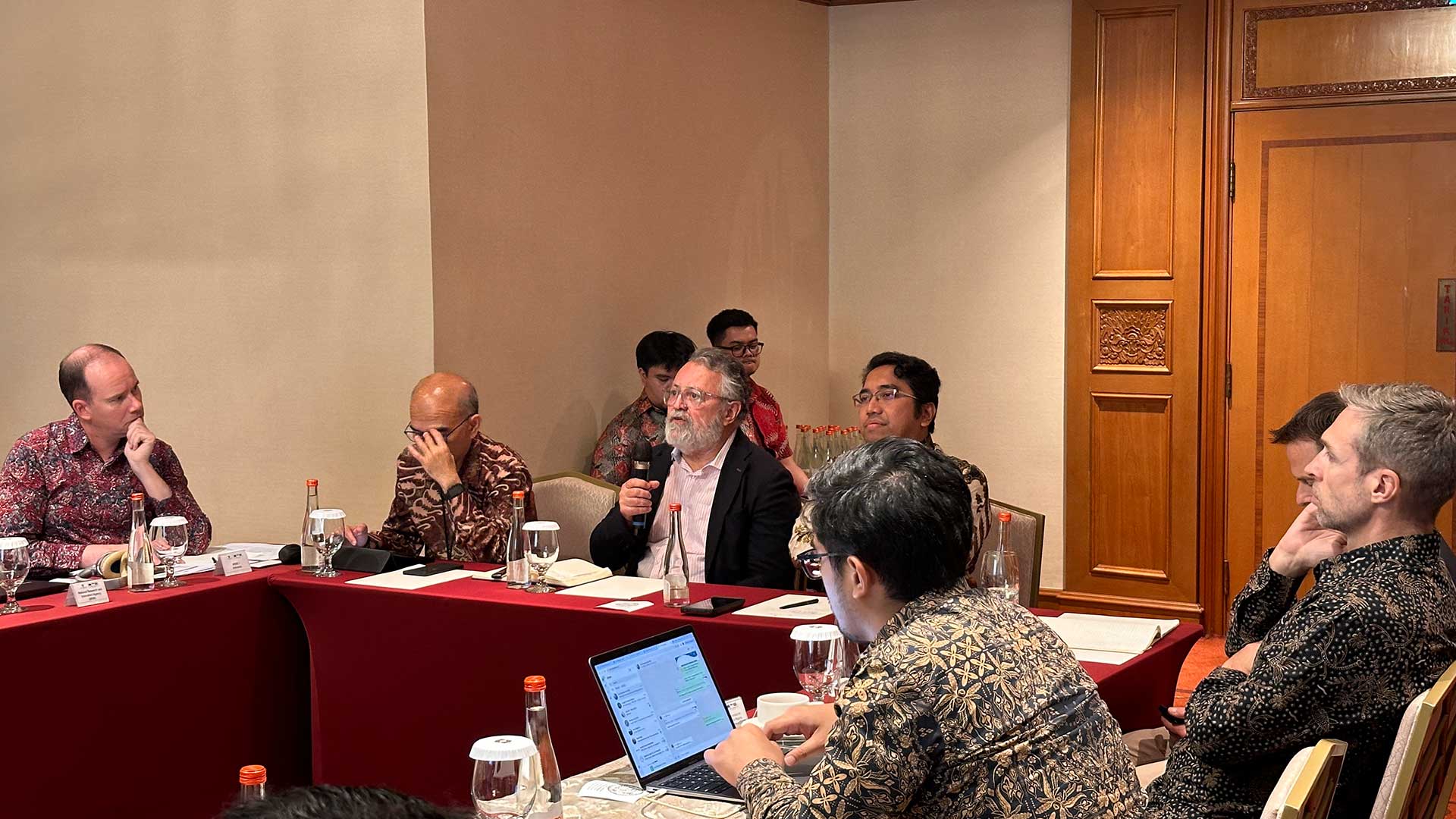
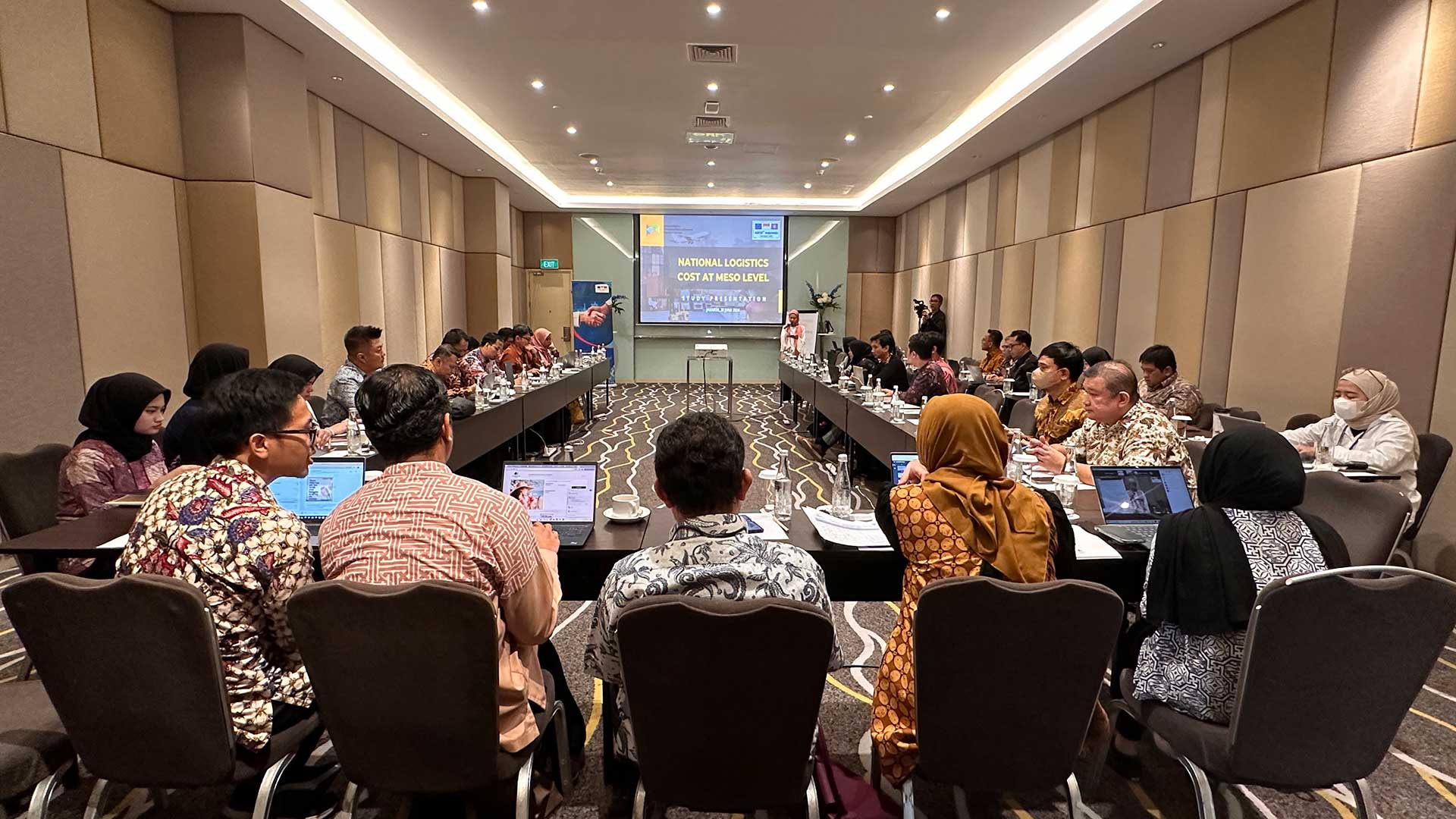
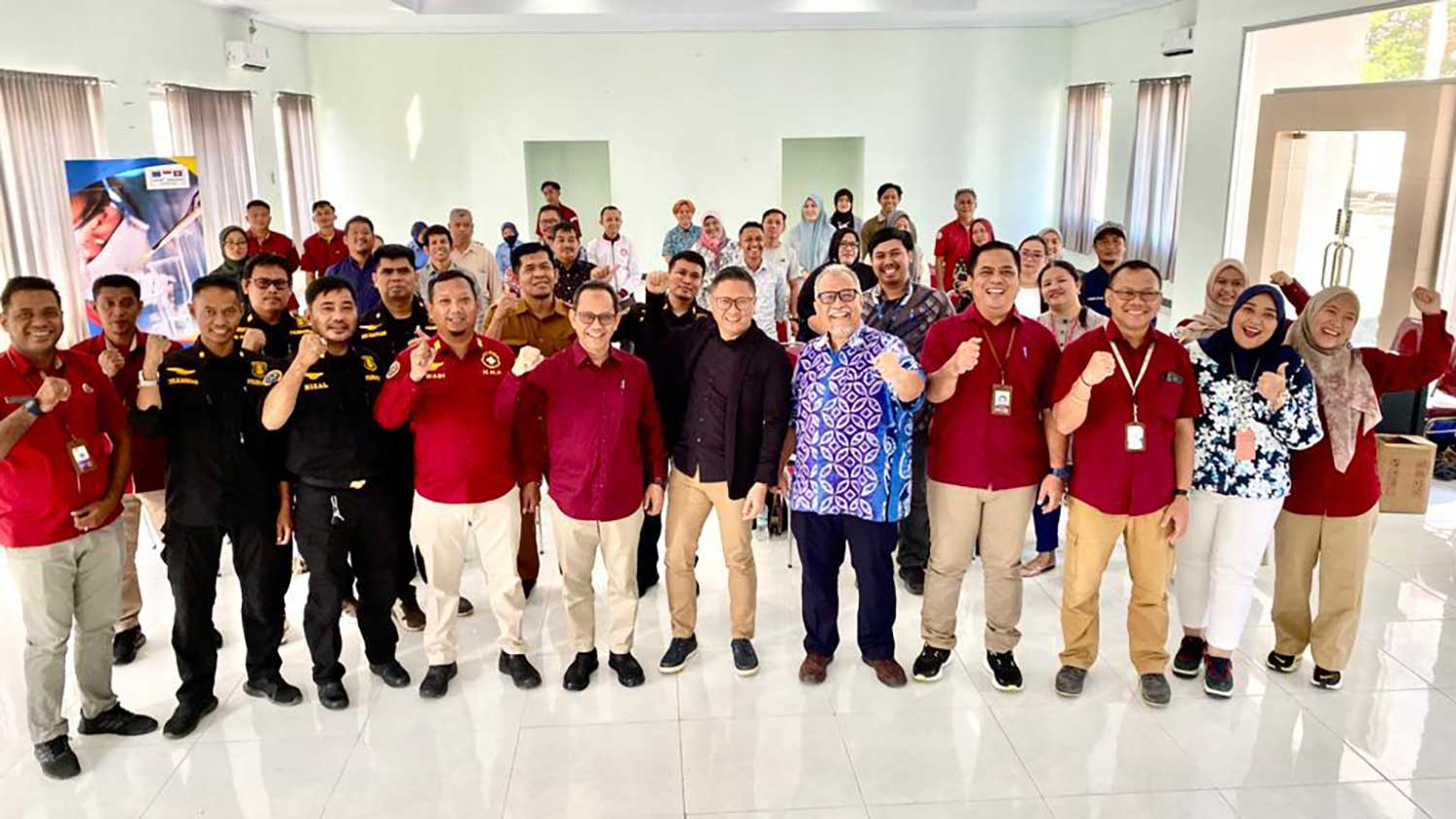
The SHTI training sessions took place in Probolinggo on 31/08, Makassar on 05/09, and Bitung on 07/09. Coordinated by ARISE+ Indonesia's Export Quality Infrastructure Senior Expert, Arief Safari, and facilitated by their Food Safety and Quality Management System Expert, Syamsul Arifin, the sessions aimed to improve the proficiency of UPI staff in completing Catch Certificate documents and equip inspectors to issue these certificates. The training also shed light on the growing significance of blockchain in seafood traceability and addressed the challenges and solutions related to Catch Certificate implementation. These efforts underscore ARISE+ Indonesia's unwavering commitment to assisting Indonesia in advancing the quality assurance system and traceability of its fishery products.
Agung Pramono, Capture Fisheries Management Expert at the DJPT, emphasised that Catch Certification aligns with Indonesia's mission to counter Illegal, Unreported, and Unregulated (IUU) fishing. This effort concurrently strives to fulfil traceability demands of market countries, as outlined in the Regulation PER.13/MEN/2012.
Mr Agung, one of the speakers at the training in Makassar, mentioned that promoting SHTI to business stakeholders, specifically UPI and fishermen, is a routine program overseen by DJPT. In response to UPI's request, Mr Agung affirmed that the government stands ready to provide support.
Mr Agung expressed his gratitude for ARISE+ Indonesia's invaluable support and conveyed his aspirations for continued collaboration.
"We earnestly hope that ARISE+ Indonesia's assistance extends beyond raising awareness and organising training. We aspire for further development of the traceability digitisation tool, initiated under the past EU-funded program, to align with globally recognised systems and meet the stringent requirements of destination countries, particularly the EU and USA regulations," said Mr Agung.
For more photos, please visit Photo Gallery