Technical Assistance II
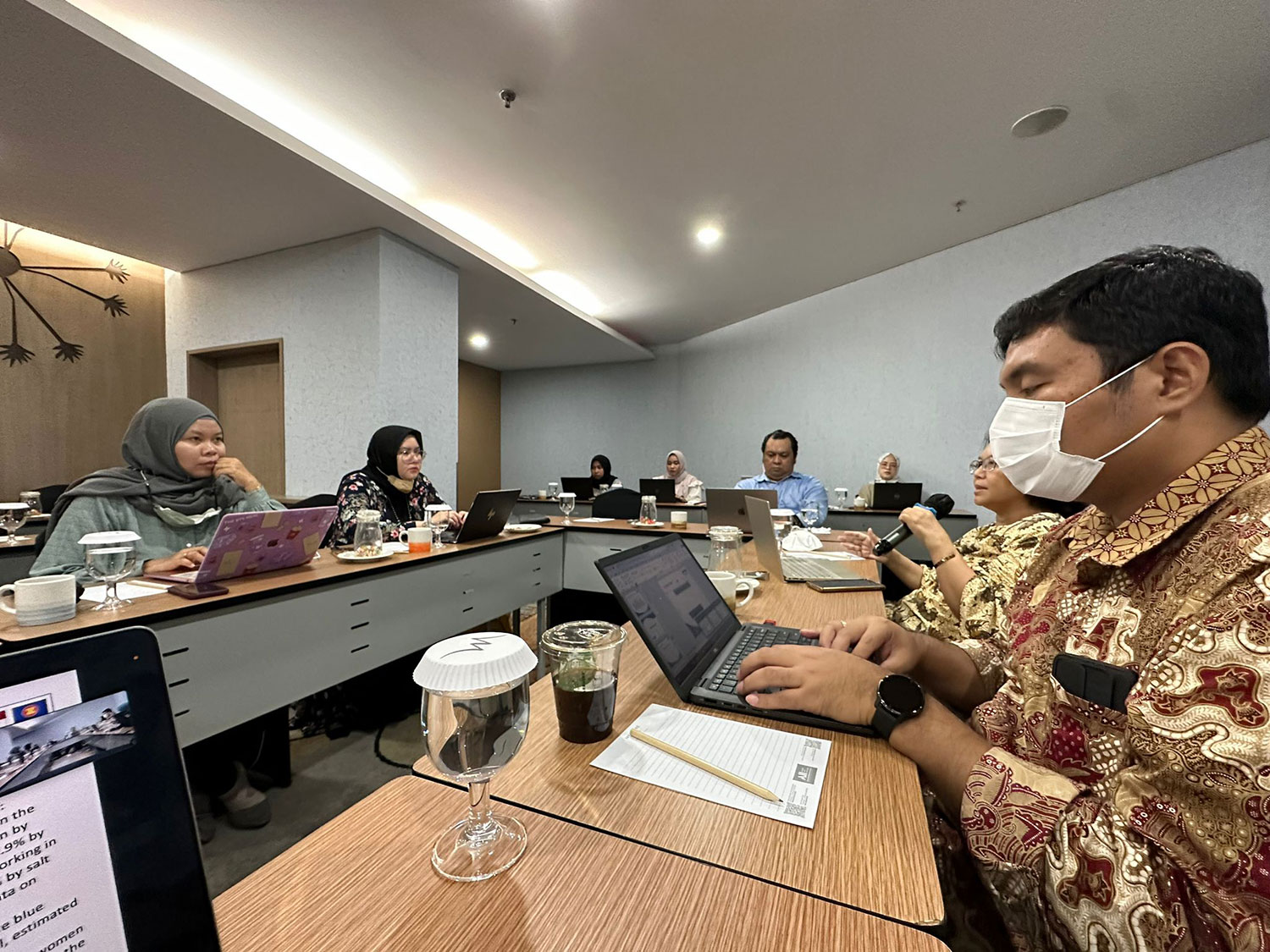
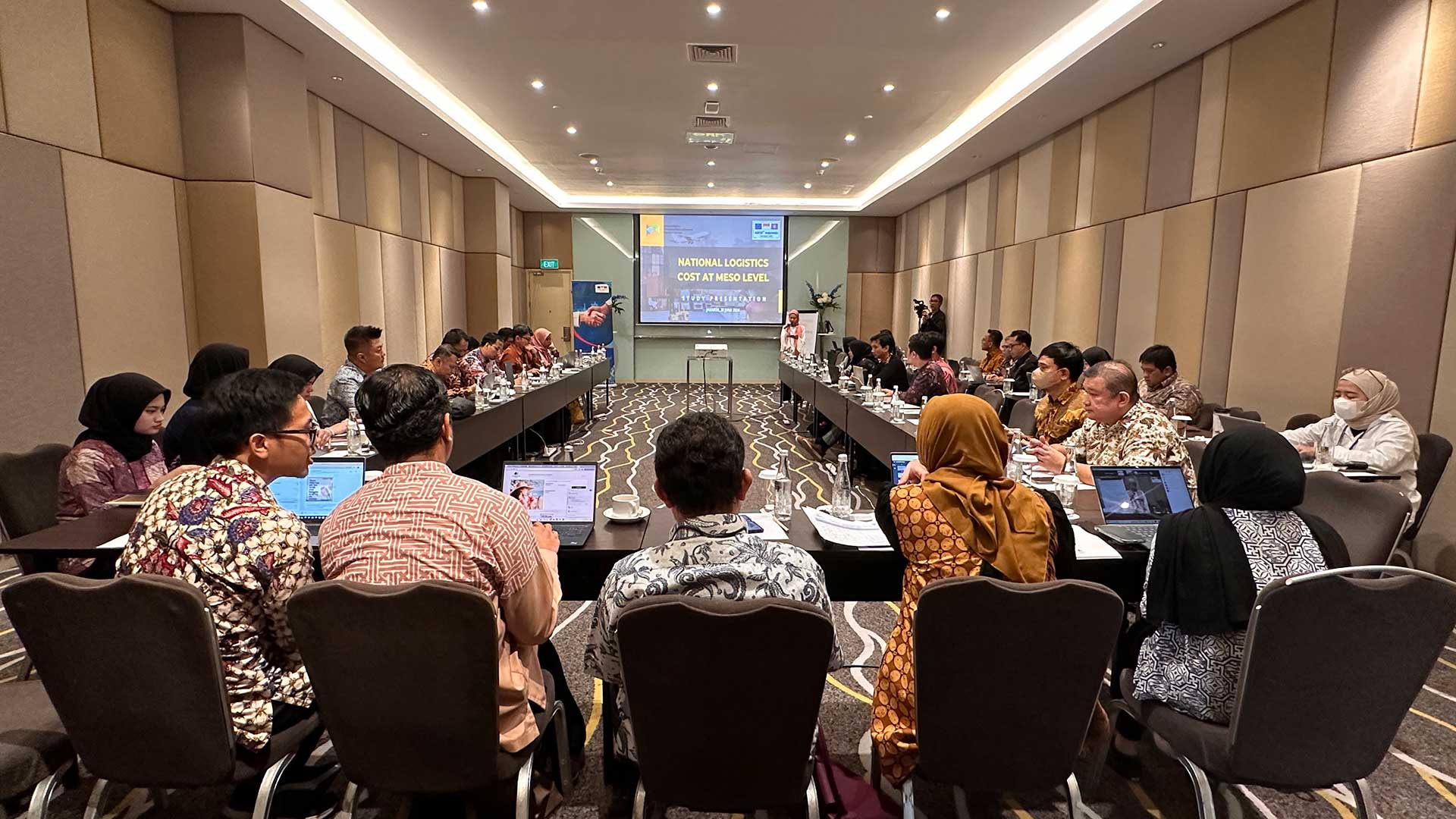
The Ministry of National Development Planning/Bappenas, in collaboration with ARISE+ Indonesia, conducted a capacity-building workshop aimed at enhancing the Indonesian Blue Economy Index (IBEI). The two-day event took place on Monday, 5 June 2023 in the bustling city of Jakarta.
The IBEI is a critical part of the Blue Economy Roadmap, established to monitor the present state of the blue economy and its growth on both national and regional scales. It functions as a key tool for monitoring the performance of blue economy sectors, underpinning Indonesia's economic transformation in line with the 2045 vision.
Developed on a dashboard of selected macroeconomic indicators, the IBEI can showcase Indonesia's economic, social, and environmental progress within the blue economy sectors. This data-driven approach enables the formulation of specific policies to reach target objectives for each indicator.
Besides fostering enhanced coordination between government institutions involved in the blue economy sector, such as tourism, fisheries, and transportation, the IBEI can also spotlight provinces that require focus to address inequality or other policy objectives.
According to Siti Maftukhah, a Junior Policy Planner at the Directorate of Industry, Tourism, and Creative Economy, Bappenas, the capacity building event aimed at equipping Bappenas staff with the necessary skills to regularly update IBEI by adding, adjusting, and replacing relevant indicators.
The workshop garnered attendance from an array of participants representing multiple directorates such as Trade, Investment, International Economic Cooperation, Industry, Tourism, and the Creative Economy. In addition, expert staff from the Priority Sector and Infrastructure also contributed their insights, showcasing a diverse collaboration across various fields.
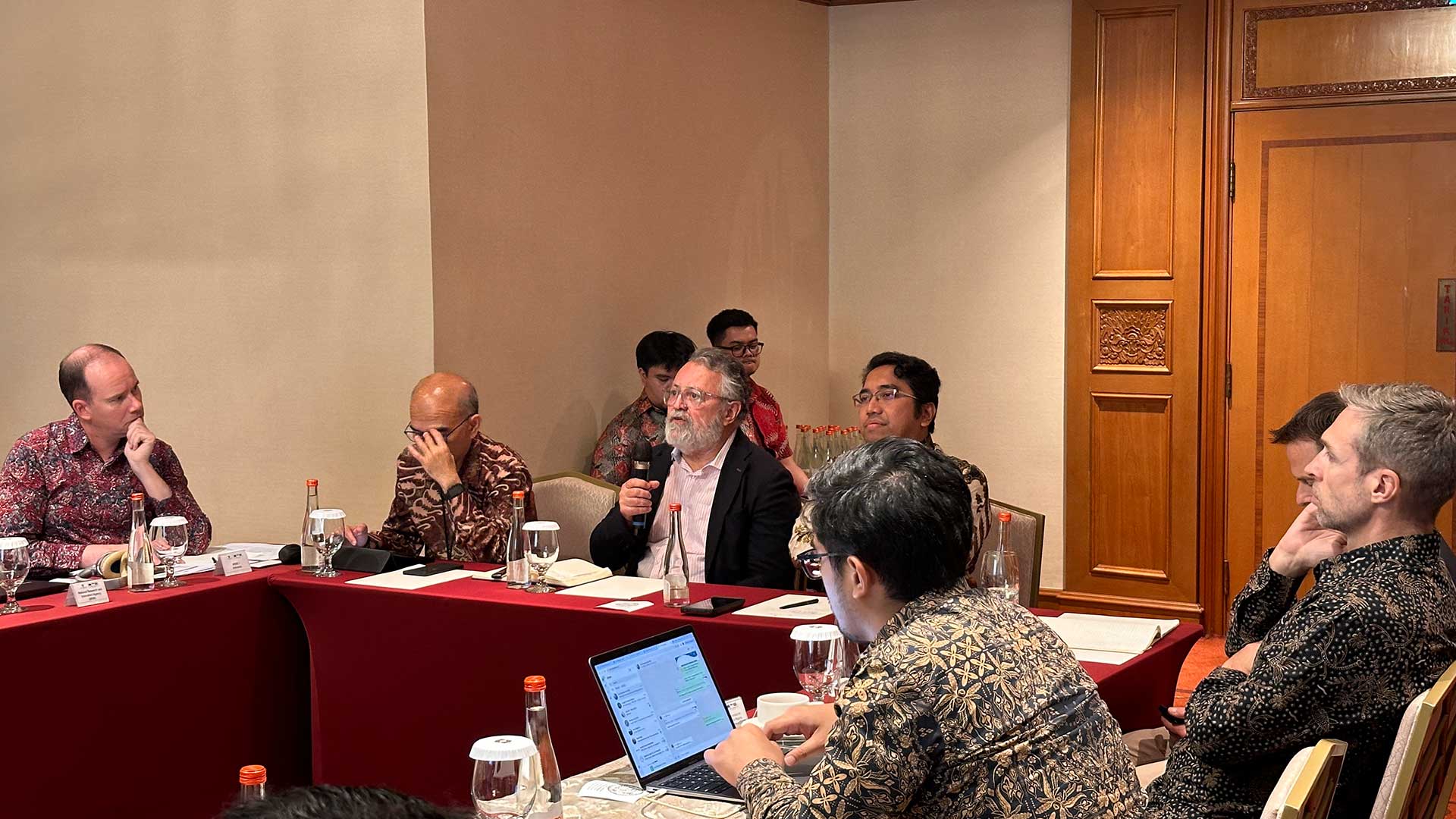
ARISE+ Indonesia's Blue Economy Experts Carlos Mangunsong, Dionisius Narjoko, Made Suardhini, and Widdi Mugijayani, served as the trainers for the session. They provided in-depth explanations of indicators determination and future improvements to the IBEI, which currently consists of over 35 indicators categorised into three pillars: economy, social, and environment.
Discussing the economic pillar of IBEI, Dionisius Narjoko stressed the necessity for a comprehensive approach in analysing the production value chain and inter-regional trade. Despite the majority of raw materials originating from the eastern part of Indonesia, Dionisius pointed out that the data on inter-regional trade remains relatively low, with the majority of raw materials and intermediate inputs, interestingly, originating from their respective regions. Among potential reasons for this, Dionisius highlighted connectivity issues, such as cold chain availability, as key barriers hindering broader interregional trade.
Addressing the social pillar of the workshop, Made underscored the potential for women and marginalised groups to contribute significantly to the blue economy sectors. However, she noted the current scenario paints a different picture, with women's participation in these sectors estimated to constitute a mere 10% of total employment. Furthermore, she pointed out that women's contributions are frequently unpaid, part-time, opportunistic, and often dismissed as mere extensions of household duties, signalling a crucial area for improvement in the sector.
Delving into the critical aspects of environmental conservation, Widdi highlighted the fundamental role of waste management, particularly in controlling marine debris. She pointed out that marine debris not only originates from sea-based activities but also from terrestrial sources. With Indonesia generating an alarming 7.8 million tons of plastic waste annually, she highlighted how rivers transport and discharge a staggering 83% of this debris into the marine environment. In contrast, a mere 17% is directly discarded or washed off from coastal areas. Consequently, Widdi stressed the need for the inclusion of land debris as a crucial indicator within the IBEI, broadening the scope of environmental considerations.
Providing the technicalities of the index, Carlos Mangunsung mentioned that indexing is a straightforward method to observe multifactorial elements and aspects. He pointed out the use of Principal Component Analysis (PCA) to construct the index, which enables dimensionality reduction while preserving comparability between observations.
Siti Mafthukhah extended her gratitude to ARISE+ Indonesia for its support, stating that the discussion during the development and finalisation of IBEI was extremely insightful and beneficial.
This initiative exemplifies Indonesia's commitment to sustainable development and underlines the importance of the blue economy in achieving the nation's 2045 vision.