Technical Assistance II
In the lively coastal town of Tanjung Balai Asahan in North Sumatera, a transformative wave of knowledge has recently swept through the professional life of Bardi, a committed Quality Control Officer at the local fish processing unit. His immersion in a sea of invaluable insights regarding the export potential and requirements for shellfish (Live Bivalve Molluscs) products to various countries, including the European Union has not only broadened his professional horizon but also promises to navigate his company towards uncharted markets.
According to data from the European Market Observatory for Fisheries and Aquaculture (EUMOFA) as of August 2023, EU imports of bivalves and other molluscs in 2021 amounted to 147,213 tonnes from wild catches and 168,857 tonnes from aquaculture. This represents a significant potential that Indonesia, as the world's second-largest producer of fishery products, could tap into. Indonesia contributes 10% to global fishery production, following China, which accounts for 39%, based on EUMOFA's 2021 data.
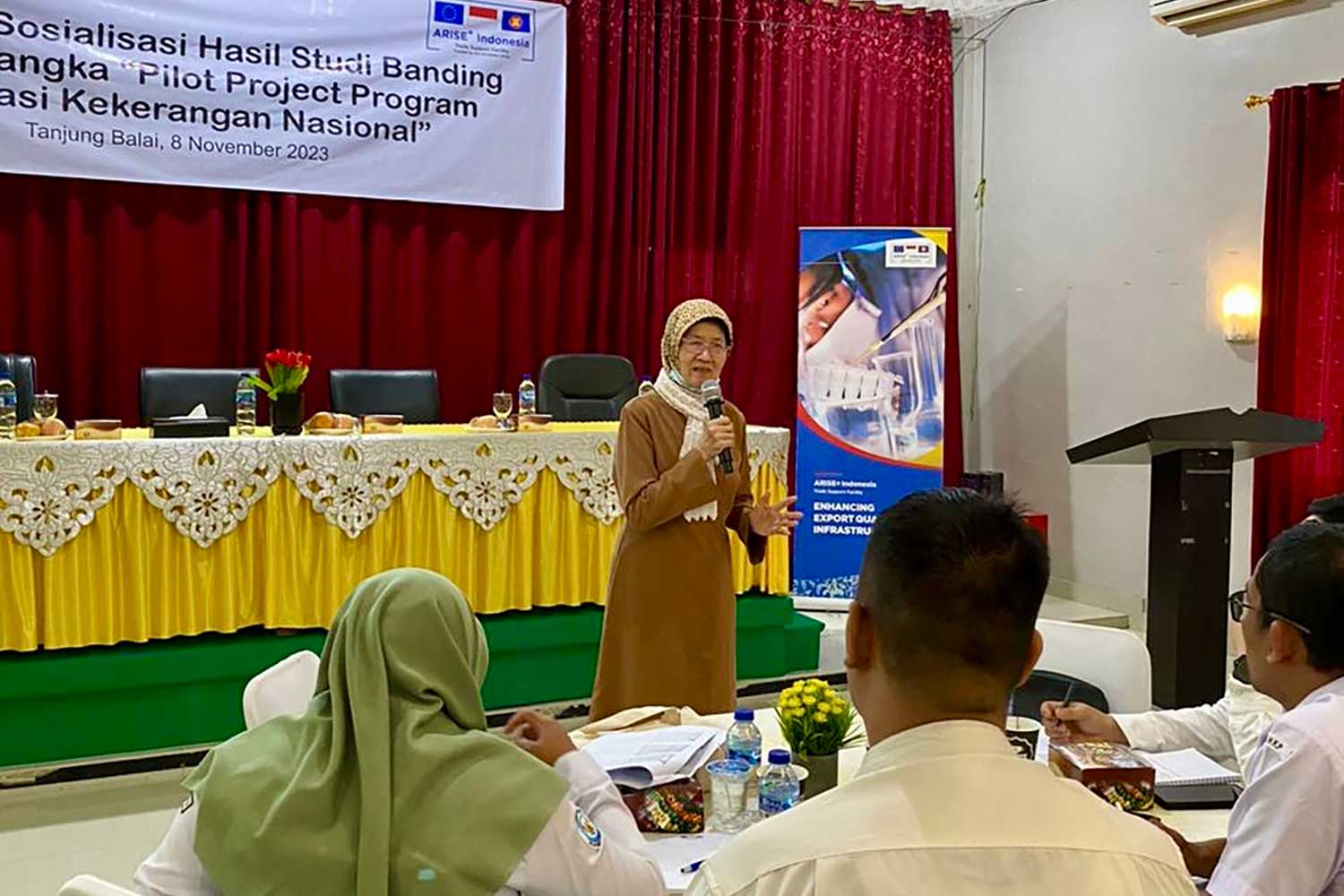
This knowledge was a result of Bardi's participation in a workshop on shellfish sanitation and market information, organised by the Agency for Quality Control and Safety Assurance of Fishery Products under the Ministry of Marine Affairs and Fisheries, supported by ARISE+ Indonesia, on November 8, 2023.
Bardi, with newfound enthusiasm, expressed, "This information is incredibly valuable, not only to me but also to the fish processing unit where I work. We've only been exporting to Malaysia, but the potential to expand our shellfish products into the global market, particularly Europe, is a highly exciting possibility."
Tanjung Balai Asahan, situated about a 5-hour drive from Medan in North Sumatra, is renowned as one of Indonesia's finest shellfish producers. Known affectionately as 'Clam City,' it is located along the banks of the Asahan River — the longest river in North Sumatra — which empties into the Strait of Malacca. According to data from the local Quality Control and Fish Quarantine Station (SKIPM), the total shellfish production of Tanjung Balai Asahan in 2022, which includes ark shell meat, baby clams, blood cockles, and razor clams, amounted to 649,227 kg.
The significant potential for clam production in Tanjung Balai Asahan has prompted the Ministry of Maritime Affairs and Fisheries to collaborate with ARISE + Indonesia to initiate a study and conduct a capacity-building workshop for establishing a clam production zone that meets the hygiene requirements necessary for exports, particularly to the European Union (EU).
Fadli Pramana, the Acting Head of SKIPM Tanjung Balai Asahan, explained that the study aimed to assess the food hygiene and safety (FHS) of shellfish products, evaluate the current official controls for bivalve molluscs in the area, and identify food hygiene and safety requirements enforced by selected trading partners.
"All these activities are conducted to ascertain and uphold the quality of shellfish products in the Tanjung Balai Asahan region, with the goal of expanding the market to a global scale," Pramana stated.
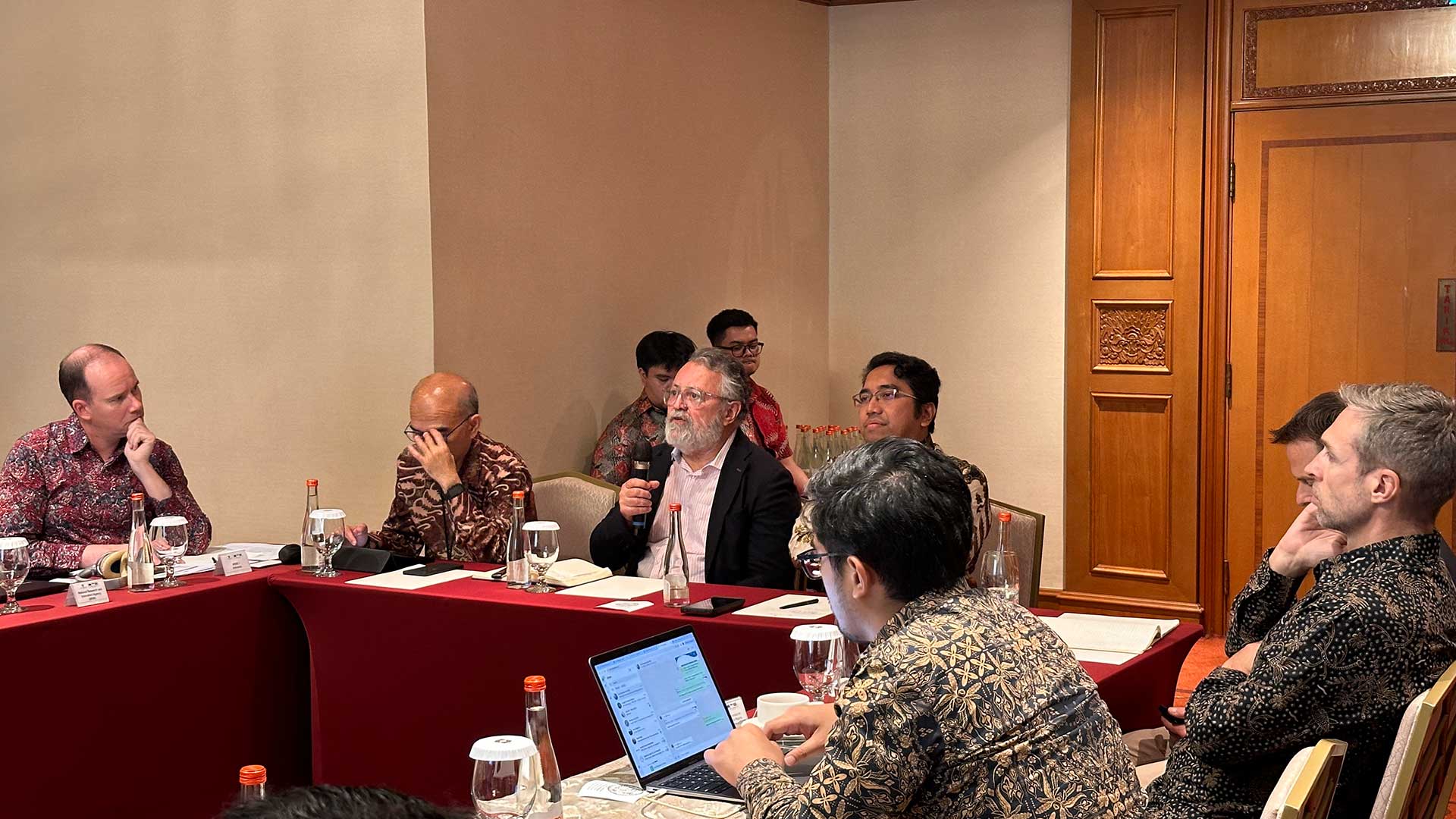
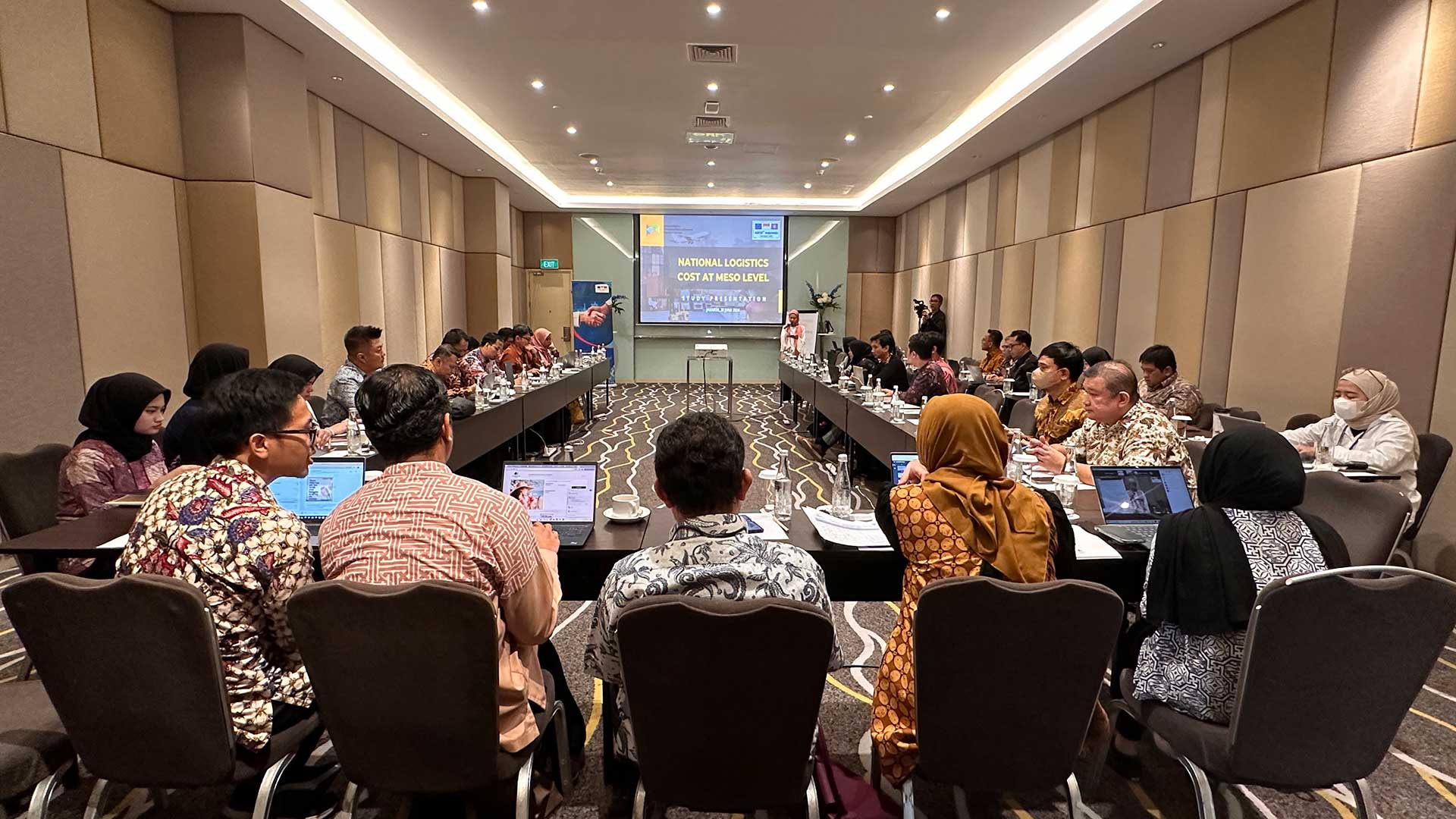
The workshop convened the local stakeholders of shellfish sector. This included personnel from the local Marine and Fisheries Quality Assurance Agency, serving as the Competent Authority, representatives from various processing units, exporters, fishermen, local government officials, and extension officers from the Regional Fisheries Office. Among these participants was Bardi, who represented one of the local processing units.
The workshop delved deep into the Indonesian Shellfish Sanitation System, outlined in the Decree of the Minister of Marine Affairs and Fisheries No. 17/MEN/2004, with Dr. Tri Handayani from the Ministry of Marine Affairs and Fisheries presenting as the representative. This system aims to guide fish farmers, fishermen, processors, traders, consumers, and quality supervisors in Indonesia on the capture, handling, production, and quality control of shellfish. It is implemented in both production and distribution for export and domestic markets, ensuring that Indonesian shellfish are safe for local consumption and suitable for export.
During the workshop, Prof. Etty Riani, ARISE+ Indonesia Quality Assurance and Food Safety Senior Expert from the Faculty of Fisheries and Marine Science at IPB University, presented the results from testing shellfish samples collected from various fishing locations within Tanjung Balai Asahan region. She shared the good news that baby clams from the Tanjung Balai Asahan area are of good quality and safe for direct consumption. They are free from biotoxins, lead, mercury, and cadmium, making them suitable for export to China, Australia, America, and the European Union. However, at one of the mussel fishing sites, cadmium levels were found to slightly exceed the threshold set for export to the European Union, a situation attributed to heavy metal contaminants polluting the sea. Cadmium is considered a cancer-causing agent when built up in the body.
"Therefore, it is imperative that we protect the environment and prevent all liquid waste, particularly hazardous and toxic waste, from polluting our seawater," Prof. Riani emphasised.
Bardi expressed great pride and happiness with the shellfish testing results, which corroborated his work as a QC Officer. "So far, the Tanjung Balai Asahan shellfish has been praised by Malaysia as one of the best, known for its distinctive flavor," said Bardi.
The workshop also discussed the causes of the declining number of shellfish catches and explored solutions to address these issues. Prof. Riani identified environmental degradation, overfishing, and the use of destructive fishing gear as key factors contributing to the decreasing clam population.
"Thus, adopting sustainable fishing practices is crucial. This means avoiding destructive fishing equipment and carefully considering the life cycles of shellfish," Prof. Riani underscored.
In response to the capacity-building workshop, Monikawati, a quality inspector at SKIPM Tanjung Balai Asahan, praised the event for bringing together all stakeholders in the TBA shellfish sector with comprehensive material.
"The information presented in this workshop is very useful for us in conducting quality surveillance and encouraging processing units to implement shellfish sanitation," Monikawati noted.
Isma Amelia, an extension officer from the local Fisheries Office, commented that the information on residue contamination and export requirements was very useful and could support her task of counseling fishermen and fish farmers about shellfish sanitation.
Responding to the fact that shellfish catches tend to decline every year, Isma suggested, "Perhaps there is a need to conduct further studies related to the life cycle of shellfish and the factors that affect their sustainability, so that fishermen can practice sustainable shellfish fishing.